

What are the Disadvantages of 316 Stainless Steel? Unveiled


316 stainless steel has great qualities but isn’t perfect. It’s strong and resistant to corrosion.
Yet, it has some drawbacks worth knowing. 316 stainless steel is popular in industries for its durability. It’s often used in harsh environments, like marine or chemical settings. But not every material is flawless. While 316 stainless steel offers many benefits, it also comes with certain disadvantages.
It’s essential to understand these downsides when choosing materials for projects. Knowing the drawbacks can help in making informed decisions. Maintenance needs, cost, and specific limitations are factors to consider. Each plays a role in the suitability of 316 stainless steel for your needs. Let’s explore these disadvantages to see if this alloy fits your requirements.
Common Limitations
316 stainless steel is known for its impressive resistance to corrosion and high temperatures. Yet, like any material, it comes with its own set of challenges. Understanding these limitations can help in making informed decisions. Below, we explore some common drawbacks of using 316 stainless steel.


Cost Factors
One major downside of 316 stainless steel is its cost. It is often more expensive than other types of stainless steel, such as 304. This is due to the higher nickel and molybdenum content, which enhances its corrosion resistance.
The increased cost can impact budgets, especially for large projects. Here are some factors contributing to the higher cost:
- Raw Materials: The inclusion of nickel and molybdenum increases material costs.
- Processing: The production process is more complex, requiring specialized equipment and techniques.
- Supply Chain: Transporting and storing this material can add to expenses due to its weight and sensitivity to specific conditions.
To better understand the cost implications, consider the following table comparing the cost per kilogram of different stainless steel types:
| Stainless Steel Type | Approximate Cost ($/kg) |
| 304 | 2.50 |
| 316 | 3.50 |
| 430 | 1.50 |
The higher cost of 316 can limit its use to applications where its specific properties are necessary. This includes environments with high corrosive exposure, which justifies the expense.
Best Stainless Steel Water Bottle Collection: Visit Here
Availability Issues
Another limitation of 316 stainless steel is its availability. Not all suppliers stock 316 due to its specialized nature and higher cost. This can lead to delays in procurement and project timelines.
Some common availability issues include:
- Limited Suppliers: Fewer manufacturers produce 316, leading to supply shortages.
- Regional Variations: Availability can vary by region, affecting delivery times.
- High Demand: Industries requiring high corrosion resistance, like marine and chemical, may deplete local supplies.
These availability issues mean that planning ahead is crucial. Considerations for project timelines should include potential delays due to sourcing challenges. Having alternative suppliers and materials can mitigate risks associated with availability.
For those considering 316 stainless steel, understanding these challenges is key to effective planning and cost management.
Corrosion Resistance
316 Stainless Steel is well-known for its corrosion resistance. It’s often used in environments where exposure to harsh elements is common. Yet, it’s not without its drawbacks. While 316 stainless steel resists corrosion better than many other alloys, it has limitations that affect its performance in certain conditions. Understanding these limitations is crucial for making informed decisions about its use.
Chloride Sensitivity
One significant downside of 316 stainless steel is its sensitivity to chloride ions. These ions are common in environments like coastal areas or industrial settings, where salt and chemicals are prevalent. Chloride ions can cause damage that is not always visible, impacting the material’s integrity over time.
- Stress Corrosion Cracking: Chloride ions can induce stress corrosion cracking. This type of damage occurs when tensile stress and corrosive environments combine.
- Surface Damage: Chloride sensitivity can lead to surface pitting. These small, shallow pits can grow, weakening the structure.
The effects of chloride sensitivity can be summarized in the table below:
| Factor | Impact |
| Chloride Presence | Increases risk of stress corrosion cracking |
| Environmental Exposure | Causes surface pitting and material weakening |
Pitting Risks
Pitting corrosion is another concern with 316 stainless steel. This type of corrosion forms tiny holes on the metal surface, which can deepen and spread. Pitting is insidious because it often begins in areas that are hard to detect.
- Local Corrosion: Pitting is localized, affecting specific areas rather than the entire surface. This can lead to unexpected failures.
- Material Weakness: Over time, pitting can make the metal weaker, compromising its load-bearing capabilities.
- Inspection Challenges: Detecting pitting corrosion requires thorough inspections. Inaccessible areas can hide significant damage.
The consequences of pitting corrosion can be severe, especially in structural applications where strength is vital. Regular maintenance and inspections are necessary to identify and mitigate these risks before they lead to major problems.
Mechanical Properties
316 stainless steel is renowned for its corrosion resistance, making it a popular choice in various industries. However, like any material, it has its drawbacks. One significant area where 316 stainless steel faces limitations is in its mechanical properties. Understanding these drawbacks can help in making informed decisions when selecting materials for specific applications.
Lower Strength
316 stainless steel is not the strongest alloy available. While it offers excellent corrosion resistance, its strength is lower compared to other stainless steels like 304 or duplex grades. This can be a limitation for applications requiring high strength.
Key points to consider:
- Tensile Strength: The tensile strength of 316 stainless steel is about 515 MPa (megapascals). This is lower than other alloys used in heavy-duty applications.
- Yield Strength: The yield strength stands at approximately 205 MPa. In comparison, duplex stainless steels can offer nearly double the yield strength.
Here’s a simple table comparing the tensile and yield strength of 316 stainless steel with some other common alloys:
| Material | Tensile Strength (MPa) | Yield Strength (MPa) |
| 316 Stainless Steel | 515 | 205 |
| 304 Stainless Steel | 505 | 215 |
| Duplex Stainless Steel | 620 | 450 |
These figures highlight that 316 stainless steel is not the best choice where high strength is crucial. This is especially true in construction or heavy machinery where durability is key.
Temperature Sensitivity
316 stainless steel also exhibits temperature sensitivity. It can lose its structural integrity at elevated temperatures. This makes it unsuitable for certain high-temperature environments.
Consider the following points:
- High-Temperature Performance: Beyond 800°C (1472°F), 316 stainless steel can experience significant reduction in tensile strength.
- Thermal Expansion: It has a higher rate of thermal expansion. This can lead to warping or deformation under heat.
Here’s a quick look at how 316 stainless steel performs under temperature stress compared to other materials:
| Material | Max Operating Temperature (°C) | Thermal Expansion Coefficient |
| 316 Stainless Steel | 800 | 16.5 x 10⁻⁶/°C |
| 304 Stainless Steel | 870 | 17.2 x 10⁻⁶/°C |
| Inconel 625 | 1000 | 13.3 x 10⁻⁶/°C |
These characteristics can limit the use of 316 stainless steel in situations where temperature stability is critical. Industries like aerospace or power generation may require more temperature-resistant materials.
Best Stainless Steel Water Bottle Collection: Visit Here
Weldability Challenges
316 stainless steel is a popular choice for many industries due to its corrosion resistance and durability. Yet, it presents specific challenges during welding. Weldability issues can lead to structural weaknesses and costly repairs. Understanding these challenges helps improve welding techniques and outcomes.
Weld Cracking
Weld cracking is a significant issue with 316 stainless steel. It compromises strength and integrity, making structures vulnerable. Several factors contribute to this problem:
- Thermal Expansion: The material’s high thermal expansion can lead to stress during cooling.
- Residual Stresses: Stress from uneven cooling can cause cracks along the weld.
- Material Composition: 316 stainless steel contains molybdenum, which affects weldability.
Cracking might occur immediately or over time. In either case, addressing these factors is crucial:
| Challenge | Solution |
| High thermal expansion | Use controlled cooling techniques |
| Residual stresses | Pre-heating before welding |
| Material composition | Adjust welding parameters |
Proper techniques can reduce weld cracking. Yet, vigilance is essential for maintaining structural integrity.
Heat Affected Zone
The Heat Affected Zone (HAZ) is another concern with 316 stainless steel welding. This zone experiences changes in properties due to heat exposure. These changes can lead to:
- Reduced Corrosion Resistance: The material might lose its protective qualities.
- Altered Mechanical Properties: Strength and toughness may decrease in the affected zone.
- Microstructural Changes: Grain structure changes can affect overall performance.
Managing the HAZ requires careful control:
- Limit heat input during welding.
- Ensure adequate cooling after welding.
- Use post-weld heat treatment to restore properties.
These measures help maintain the desirable features of 316 stainless steel. Awareness and precision are key to minimizing HAZ effects.
Surface Finish
316 stainless steel is known for its durability and resistance to corrosion. Yet, it has its share of drawbacks, especially concerning its surface finish. Surface finish impacts not only aesthetics but also functionality in certain applications. The finish can influence factors such as scratch resistance and the level of maintenance required.
Scratching
The surface finish of 316 stainless steel is prone to scratching. Scratches can be unsightly and affect the material’s appearance and perceived quality. Scratches may also harbor dirt and bacteria, compromising hygiene. This can be a concern in environments like kitchens or medical facilities.
Factors contributing to scratching include:
- Contact with abrasive materials
- Regular use and handling
- Cleaning with rough pads or brushes
Even minor scratches can impact the integrity of the surface over time. Protecting the surface during use and opting for softer cleaning materials can help maintain its appearance.
Below is a table highlighting the susceptibility of different finishes of 316 stainless steel to scratching:
| Finish Type | Scratch Resistance |
| Matte | Low |
| Polished | Medium |
| Brushed | High |
Maintenance Needs
316 stainless steel requires regular maintenance to preserve its surface finish. While it resists corrosion, it can still lose its luster without proper care. Maintenance involves cleaning, polishing, and sometimes buffing to keep the surface smooth and shiny.
Consider these maintenance tasks:
- Regular cleaning with mild detergents to remove dirt and grease
- Polishing with special compounds to restore shine
- Buffing to smooth out minor scratches
Maintenance frequency depends on the environment and usage. High-traffic areas might need more attention. Investing time in maintenance can extend the life and appearance of the steel.
Failing to maintain the surface can lead to:
- Accumulation of residues and stains
- Loss of shine and attractiveness
- Potential for corrosion in neglected areas
Regular upkeep ensures that 316 stainless steel remains both functional and visually appealing.
Weight Considerations
The 316 stainless steel is popular for its durability and resistance to corrosion. Yet, its weight can be a drawback for some applications. Weight considerations are crucial in industries like automotive, aerospace, and construction. Understanding the impact of 316 stainless steel’s weight helps in making informed decisions.
Heavy Material
316 stainless steel is known for its strength, but it is also quite heavy. This can lead to challenges in various applications. Heavier materials require more support and stronger structures, which can increase costs. Let’s look at some key points:
- The density of 316 stainless steel is approximately 8,000 kg/m³.
- This weight can be beneficial for stability but is not ideal for mobile applications.
- Heavier materials may affect the overall design and functionality of a product.
Here’s a simple comparison of 316 stainless steel with other materials:
| Material | Density (kg/m³) |
| 316 Stainless Steel | 8,000 |
| Aluminum | 2,700 |
| Carbon Steel | 7,850 |
As seen in the table, 316 stainless steel is heavier than aluminum and carbon steel. This weight can limit its use in projects where lighter materials are preferable. Choosing the right material depends on the balance between strength and weight.
Transport Difficulties
Transporting heavy materials like 316 stainless steel can pose significant challenges. The weight increases transportation costs, and special equipment may be needed for handling.
- Heavy materials require larger and stronger vehicles for transport.
- Additional fuel consumption is a concern with heavier loads.
- There might be restrictions on road transport due to weight limits.
These factors can lead to increased logistics costs. Consider this breakdown of potential costs:
| Factor | Impact on Cost |
| Fuel Consumption | High |
| Special Equipment | Moderate to High |
| Vehicle Wear and Tear | Moderate |
These costs can add up, making 316 stainless steel less appealing for certain projects. Carefully assess the transportation needs and plan accordingly to manage these challenges efficiently.


Environmental Impact
316 stainless steel is known for its durability and corrosion resistance. Despite its advantages, it poses some environmental challenges. These challenges arise from its production and lifecycle. Understanding these impacts is crucial for sustainable practices. Let’s explore the environmental disadvantages of 316 stainless steel.
Recycling Issues
Recycling 316 stainless steel can be complex. While it is recyclable, the process is not always efficient. Many factors affect its recyclability:
- Contamination: Stainless steel can get contaminated by other metals. This contamination complicates recycling.
- Energy-Intensive: The recycling process requires significant energy. This can lead to increased carbon emissions.
- Sorting Challenges: Differentiating between grades of stainless steel is not simple. Proper sorting is essential for efficient recycling.
Despite these challenges, recycling remains important. It reduces the need for new resource extraction. Yet, without improvements, the environmental benefits may be limited.
| Challenge | Impact |
| Contamination | Reduces quality and complicates recycling |
| Energy Use | Increases carbon footprint |
| Sorting | Requires accurate and efficient systems |
Resource Extraction
Producing 316 stainless steel demands significant resource extraction. This process has environmental consequences:
- Mining: Extracting metals like nickel and molybdenum from the earth can harm ecosystems.
- Deforestation: Mining activities often lead to deforestation. This affects biodiversity and contributes to climate change.
- Water Pollution: Mining can pollute water sources. This affects both human and wildlife health.
Resource extraction also contributes to soil erosion. This affects the land’s ability to support plant life. Additionally, the transportation of raw materials adds to carbon emissions. Reducing these impacts requires careful planning and sustainable practices.
| Activity | Environmental Impact |
| Mining | Habitat destruction and pollution |
| Deforestation | Loss of biodiversity |
| Water Pollution | Contaminates drinking water |
Alternatives Available
316 stainless steel is known for its excellent corrosion resistance and durability. Yet, it has some disadvantages like higher cost and difficulty in welding compared to other materials. This leads many to consider alternatives. Understanding these alternatives can help in choosing the right material for specific needs without compromising performance.
Other Alloys
Other alloys offer great choices if 316 stainless steel isn’t suitable. Some common alternatives include:
- 304 Stainless Steel: Lower cost and easier to work with than 316. Less corrosion resistance, but good for many applications.
- 430 Stainless Steel: Cheaper and widely used for its magnetic properties. Ideal for decorative applications where corrosion resistance is less critical.
- Duplex Stainless Steels: Provide high strength and better resistance to stress corrosion cracking. Suitable for harsh environments.
Below is a comparison table highlighting key properties:
| Alloy Type | Corrosion Resistance | Cost | Magnetic Properties |
| 304 Stainless Steel | Moderate | Low | Non-magnetic |
| 430 Stainless Steel | Low | Very Low | Magnetic |
| Duplex Stainless Steels | High | High | Non-magnetic |
Composite Materials
Composite materials can also be a viable alternative to 316 stainless steel. They blend different materials to achieve unique properties:
- Fiber-Reinforced Polymers (FRP): Lightweight and strong. Often used in construction and automotive industries.
- Carbon Fiber Composites: Extremely strong and lightweight. Used in aerospace and high-performance sports equipment.
- Glass Fiber Composites: Cost-effective and offers good strength. Used in marine and recreational products.
Consider the following benefits of composites:
- Weight Reduction: Composites are significantly lighter than metals.
- Design Flexibility: Can be molded into complex shapes.
- Corrosion Resistance: Excellent in harsh environments.
Each alternative offers distinct advantages, making them suitable for various applications. Understanding these can help in selecting the best fit for your specific needs.
Cost-benefit Analysis
316 stainless steel is known for its durability and resistance to corrosion. But it comes at a price. Performing a cost-benefit analysis can help businesses decide if it’s worth the investment. This analysis will evaluate both the long-term investment and operational costs associated with using 316 stainless steel.
Long-term Investment
Investing in 316 stainless steel can seem daunting due to its initial high cost. But understanding the long-term benefits and potential drawbacks is essential. While the upfront expense is significant, the material offers excellent resistance to harsh environments. This makes it a preferred choice in industries exposed to chemicals or saltwater.
Here are some considerations for a long-term investment:
- Longevity: 316 stainless steel often lasts longer than other materials, reducing the need for frequent replacements.
- Maintenance: Its resistance to corrosion leads to fewer maintenance requirements, saving both time and money.
- Resale Value: Products made from 316 stainless steel might retain better resale value due to their durability.
Despite these advantages, the initial investment is higher. Let’s compare costs:
| Material | Initial Cost | Maintenance Cost |
| 316 Stainless Steel | High | Low |
| Other Metals | Low | High |
For businesses that prioritize durability and low maintenance, the long-term benefits can outweigh the initial costs. But companies with limited budgets might find the initial investment challenging.
Operational Costs
Operational costs are another crucial factor in the cost-benefit analysis of 316 stainless steel. While some costs may decrease over time, others can add up. Understanding these expenses helps in making an informed decision.
Key factors influencing operational costs include:
- Energy Consumption: Manufacturing processes using 316 stainless steel might require more energy, increasing utility bills.
- Labor Costs: Skilled labor might be needed for handling and fabricating this material, impacting wages.
- Tool Wear: Tools used to work with 316 stainless steel might wear out faster, requiring more frequent replacements.
Here is a quick comparison of operational costs:
| Aspect | 316 Stainless Steel | Other Metals |
| Energy | High | Moderate |
| Labor | High | Low |
| Tool Wear | High | Low |
The operational costs can be significant. Businesses must weigh these against the benefits of reduced maintenance and extended product life. Each company must consider its specific needs and resources to determine if 316 stainless steel is the right choice.
User Experiences
316 Stainless Steel is known for its durability and corrosion resistance. Yet, users have shared insights about its drawbacks. These experiences provide valuable feedback, revealing areas where this alloy may fall short. Understanding these disadvantages can guide potential users in making informed choices.
Best Stainless Steel Water Bottle Collection: Visit Here
Industry Feedback
Many industries have voiced their opinions on 316 Stainless Steel. While it has impressive qualities, it’s not without faults. Professionals have noted:
- Cost Concerns: 316 Stainless Steel is more expensive compared to other alloys. This can be a major drawback for budget-conscious projects.
- Machinability Issues: Its toughness can make machining difficult. Industries have reported increased tool wear and slower processing times.
- Thermal Conductivity: Lower thermal conductivity compared to other materials can be a problem in heat transfer applications.
Feedback from the field often points to these challenges. A table summarizing common industry concerns might look like:
| Challenge | Description |
| Cost | Higher than alternative materials. |
| Machining | Causes tool wear and slow processing. |
| Thermal Conductivity | Less effective in heat transfer. |
These points highlight the areas where industries feel 316 Stainless Steel falls short. Considering these factors can save time and money in the long run.
Case Studies
Real-world examples provide deeper insights into the limitations of 316 Stainless Steel. Several case studies illustrate common issues:
- Marine Applications: A shipbuilding company found increased maintenance costs due to 316 Stainless Steel’s susceptibility to pitting in seawater. Despite its corrosion resistance, the alloy required frequent checks and treatments.
- Food Processing Equipment: A food manufacturer experienced issues with 316 Stainless Steel components. The material’s lower thermal conductivity resulted in inefficiencies in heating processes, affecting production speed.
- Medical Devices: A biomedical firm faced machining challenges while crafting precision instruments. The hardness of 316 Stainless Steel led to higher operational costs due to tool wear and longer manufacturing times.
These case studies emphasize practical challenges faced by users. They highlight the need for careful consideration when selecting materials for specific applications.
Future Trends
316 Stainless Steel is known for its excellent corrosion resistance and durability. Yet, it has some disadvantages that impact its use in various industries. As technology evolves, future trends in materials like 316 Stainless Steel are crucial. Understanding these trends helps industries adapt and innovate for better performance and efficiency. Let’s explore the innovations in alloys and market predictions for 316 Stainless Steel.
Innovations In Alloys
Materials science is constantly evolving. New alloys are being developed to address the limitations of 316 Stainless Steel. These innovations aim to enhance properties such as strength, corrosion resistance, and thermal stability.
Some key innovations include:
- Enhanced Corrosion Resistance: Researchers focus on developing alloys that offer superior resistance to harsh environments.
- Improved Strength: Strengthening the alloy for better durability under extreme conditions.
- Thermal Stability: New compositions are being tested to perform efficiently at high temperatures.
Below is a table showcasing potential improvements:
| Property | Current Status | Future Improvement |
| Corrosion Resistance | High | Very High |
| Strength | Moderate | High |
| Thermal Stability | Moderate | High |
These innovations are set to reshape industries reliant on 316 Stainless Steel, offering improved performance and reliability.
Market Predictions
The market for 316 Stainless Steel is influenced by global trends and technological advancements. As new alloys emerge, the demand for traditional 316 Stainless Steel may shift.
Key predictions include:
- Increased Competition: New alloys might compete with 316 Stainless Steel, offering better properties at competitive prices.
- Shifts in Demand: Industries requiring enhanced performance may opt for innovative materials.
- Price Adjustments: Fluctuations in demand can lead to changes in pricing structures.
Below is a simple projection of market trends:
| Year | Demand for 316 Stainless Steel | Demand for New Alloys |
| 2023 | Stable | Emerging |
| 2025 | Moderate Decline | Increase |
| 2030 | Decline | High |
These market predictions highlight the potential shift towards more advanced materials. Businesses must stay informed and agile, adapting to changes in material demands and technological advancements.
Frequently Asked Questions
What Causes 316 Stainless Steel To Rust?
Chloride exposure, high temperatures, or mechanical damage can cause 316 stainless steel to rust. These factors compromise its protective oxide layer, leading to corrosion. Regular maintenance and appropriate environmental conditions help maintain its rust resistance.
Which Is Better 304 Or 316 Stainless Steel?
316 stainless steel is better for corrosion resistance, especially in harsh environments. It contains molybdenum, enhancing durability in saltwater and chemical exposure. 304 stainless steel is more affordable and suitable for general use, offering good corrosion resistance but not as strong as 316 in extreme conditions.
What Are The Pros And Cons Of 316l Stainless Steel?
316L stainless steel offers excellent corrosion resistance and weldability, making it ideal for marine environments. It maintains strength at high temperatures and is biocompatible, suitable for medical applications. A downside is its higher cost compared to other stainless steels. It may also scratch more easily than harder alternatives.
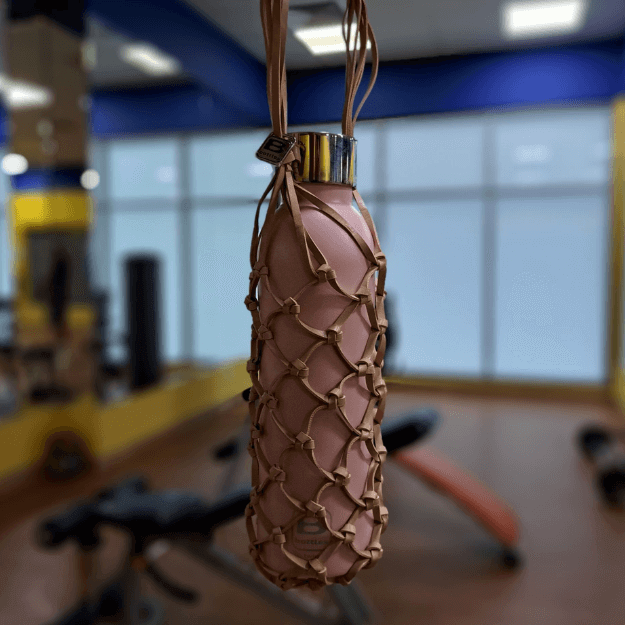
Best Stainless Steel Water Bottle Collection: Visit Here
Conclusion
Understanding 316 stainless steel’s drawbacks helps make informed choices. It costs more than other steel types. Corrosion resistance is high, but not perfect in some settings. Welding can be tricky due to its composition. Magnetic properties are minimal, limiting some uses.
It’s often seen in marine and chemical environments. But not always the best choice for every need. Weigh these disadvantages against benefits when deciding. Choose materials that fit your project requirements. Different situations may demand varied steel types. Consider specific applications and budget constraints.

Sebastian D’souza is a leading expert in home and kitchen appliances, dedicated to transforming everyday living with high-quality, stylish, and innovative solutions. As the founder of De Studio Home, our passion for design and functionality, sustainability drives us to curate the best products for modern homes. Our commitment to excellence ensures that every customer enjoys a perfect balance of practicality and elegance in their living spaces.