

How to Train My Dog to Sleep in His Bed: Expert Tips


Training your dog to sleep in his bed can be challenging. But with patience and consistency, it’s achievable.
Dogs are creatures of habit, and they thrive with routine. If you want your furry friend to sleep in his bed, you must guide him. This not only helps him feel secure but also keeps your sleeping spaces separate. By following a few simple steps, you can teach your dog to love his bed.
This guide will show you how to create a cozy spot he will want to curl up in every night. You’ll also learn tricks to encourage him to stay put. Let’s get started on making bedtime a peaceful experience for both you and your dog.

Choosing The Right Bed
Training your dog to sleep in his bed can be a rewarding experience. A key part of this training is Choosing The Right bed. The bed you select will impact how quickly and comfortably your dog adapts to his new sleeping spot. This guide will help you make an informed decision.
Size Matters
Choosing the right size bed is crucial. A bed that is too small or too large can cause discomfort and make training harder. Consider the following factors:
- Measure your dog: Measure your dog’s length from nose to tail and add a few inches for comfort.
- Sleeping position: Observe your dog’s sleeping position. If he likes to stretch out, a larger bed is necessary. If he curls up, a smaller, cozier bed will suffice.
- Growth potential: For puppies, consider their potential adult size. You may need to invest in a larger bed as they grow.
Here’s a helpful table to determine the appropriate bed size based on your dog’s weight:
| Dog’s Weight | Bed Size |
| Up to 20 lbs | Small (24 inches) |
| 20-50 lbs | Medium (30 inches) |
| 50-80 lbs | Large (36 inches) |
| 80 lbs and above | Extra Large (42 inches) |
A properly sized bed ensures your dog has enough space to move and feel comfortable. This can make the transition to sleeping in his own bed smoother.
Material Considerations
The material of your dog’s bed impacts his comfort and the bed’s durability.
Different materials offer various benefits and drawbacks:
- Memory foam: Offers excellent support, especially for older dogs or those with joint issues. It conforms to the dog’s body, providing relief.
- Polyester fill: Lightweight and affordable. Good for dogs who like soft, plush beds. It may flatten over time.
- Cotton: Breathable and natural. Suitable for dogs with allergies. It can be less durable than synthetic options.
- Microfiber: Soft and durable. Resists wear and tear. Easy to clean and maintain.
- Waterproof materials: Ideal for puppies or older dogs prone to accidents. Keeps the bed dry and clean.
Consider these factors when choosing the material:
- Dog’s habits: Does your dog chew or dig at his bed? Durable materials like microfiber or heavy-duty cotton are better.
- Climate: In warmer climates, breathable materials like cotton help keep your dog cool.
- Ease of cleaning: Look for beds with removable, machine-washable covers. This keeps the bed hygienic and fresh.
Choosing the right material can enhance your dog’s comfort and the bed’s longevity. This makes the training process more effective and pleasant for both of you.
Creating A Cozy Space
Training your dog to sleep in his bed can be a rewarding experience for both you and your furry friend. Creating a cozy space is crucial for making your dog feel comfortable and secure in his designated sleeping area. A well-thought-out space encourages him to use his bed consistently. Let’s explore how to create that perfect spot.
Location Selection
Choosing the right location for your dog’s bed is essential. The spot should be quiet, away from high-traffic areas, and free from drafts. Dogs appreciate a space where they can relax without constant disturbances.
Here are some tips for selecting the ideal location:
- Avoid Busy Areas: Place the bed in a corner or a quiet room, away from hallways or living rooms.
- Consider Temperature: Ensure the spot is neither too hot nor too cold. Avoid placing the bed near radiators or air conditioners.
- Accessibility: Make sure your dog can easily access the bed. Avoid locations that require climbing stairs or navigating obstacles.
To help you decide, here’s a quick comparison table:
| Location | Pros | Cons |
| Living Room | Near family, social interaction | Noisy, high traffic |
| Bedroom | Quiet, personal space | May feel isolated |
| Kitchen | Accessible, moderate traffic | Potential for disturbances |
Observing your dog’s habits can also help. Notice where he likes to rest during the day. This can give you clues about his preferred sleeping environment.
Adding Comfort Items
Once you have the perfect location, the next step is to make the bed inviting. Adding comfort items can help your dog feel more at home.
Here are some ideas for making the bed cozier:
- Blankets and Cushions: Add soft blankets and cushions. These provide warmth and a sense of security.
- Toys: Place a few of your dog’s favorite toys in the bed. This can make the space feel more familiar and comforting.
- Worn Clothing: A piece of your clothing can offer extra comfort. The scent can help calm your dog and make him feel closer to you.
Consider the following table for selecting comfort items:
| Item | Benefits |
| Blankets | Warmth, security, comfort |
| Cushions | Softness, support |
| Toys | Familiarity, entertainment |
| Worn Clothing | Owner’s scent, calming |
Rotating these items can keep the bed interesting for your dog. Regularly wash blankets and cushions to maintain cleanliness and hygiene.
Creating a cozy space with the right location and comfort items will help your dog feel at ease. This will encourage him to use his bed consistently, leading to better sleep for both of you.
Establishing A Routine
Training your dog to sleep in his bed can be a rewarding experience. Establishing a routine plays a crucial role in achieving this goal. A consistent routine helps your dog understand what is expected and provides a sense of security. This section will guide you through creating a bedtime routine and pre-sleep activities to help your dog feel comfortable and ready for sleep in his own bed.
To Puchcase The Best Bed Accessories – Visit Our Shop
Consistent Bedtime
Setting a consistent bedtime is essential for your dog’s sleep routine. Dogs thrive on schedules and knowing when it’s time to sleep helps them relax.
Start by choosing a specific time for your dog’s bedtime. Ensure this time fits well with your daily schedule. Stick to this time every night. Consistency is key.
- Choose a time: Decide on a bedtime that works for both you and your dog.
- Stick to it: Make sure you put your dog to bed at the same time each night.
- Create a sleep-friendly environment: Ensure your dog’s bed is comfortable and in a quiet, dimly lit area.
A typical bedtime routine might look like this:
| Time | Activity |
| 8:00 PM | Evening walk |
| 8:30 PM | Quiet time and cuddles |
| 9:00 PM | Bedtime |
By following a consistent bedtime, your dog will start to recognize when it’s time to wind down and sleep.

Pre-sleep Activities
Pre-sleep activities help your dog transition from the day’s excitement to a calm state. These activities should be soothing and routine.
Consider incorporating the following activities into your dog’s pre-sleep routine:
- Evening walk: A gentle walk can help your dog burn off excess energy and settle down.
- Quiet playtime: Engage in low-energy games like gentle fetch or tug-of-war.
- Calm interaction: Spend some quiet time with your dog, petting or grooming him.
You can also create a relaxing environment by:
- Dim the lights: Lower the lights to signal that it’s time to wind down.
- Play soft music: Soft, calming music can help soothe your dog.
- Use aromatherapy: Lavender scents can be calming for dogs.
By incorporating these pre-sleep activities, you help your dog relax and prepare for a restful night in his bed.
Using Positive Reinforcement
Training your dog to sleep in his bed can be a rewarding experience. One effective method is using positive reinforcement. This method encourages good behavior by rewarding your dog when he follows your commands. Positive reinforcement can make the training process smoother and more enjoyable for both you and your dog. Let’s explore two key aspects of this method: treats and rewards, and verbal praise.
Treats And Rewards
Using treats and rewards is a powerful way to train your dog. Dogs love treats, and they can be a strong motivator.
Follow these steps to use treats effectively:
- Choose small, tasty treats that your dog loves.
- Keep the treats handy during training sessions.
- When your dog goes to his bed, give him a treat immediately. This helps him associate the bed with positive experiences.
- Use treats consistently at the beginning to build a strong habit.
Consistency is key. Over time, you can reduce the frequency of treats as your dog learns the behavior.
Here’s a simple table to help you track your progress:
| Training Stage | Treat Frequency |
| Initial Training | Every time |
| Intermediate Training | Every other time |
| Advanced Training | Occasionally |
Verbal Praise
Verbal praise is another important part of positive reinforcement. Dogs respond well to the tone of your voice.
Follow these tips to use verbal praise effectively:
- Use a happy, enthusiastic tone when praising your dog.
- Say simple phrases like “Good boy!” or “Well done!”
- Combine verbal praise with petting or a gentle pat on the head.
- Be consistent with your praise to reinforce the behavior.
Verbal praise should be immediate and specific to the behavior you want to encourage. For instance, if your dog lies down in his bed, praise him right away. This helps him understand what he did right.
Here’s a quick checklist to keep in mind:
- Observe the behavior you want to reinforce.
- Use a positive tone and specific words.
- Combine praise with physical affection.
- Repeat consistently to build the habit.
By using treats and verbal praise together, you create a positive learning environment for your dog. This method helps your dog understand and enjoy sleeping in his bed.
To Puchcase The Best Bed Accessories – Visit Our Shop
Training Techniques
Training your dog to sleep in his bed can be a rewarding experience for both you and your furry friend. Using effective training techniques helps establish a sense of routine and security for your dog. Below, we explore two key training methods to help your dog learn to sleep in his bed: Command Training and Clicker Training.
Command Training
Command Training is a method where you use specific verbal cues to guide your dog to sleep in his bed. Consistency and patience are vital.
Follow these steps to implement Command Training effectively:
- Choose a Command: Select a simple command like “Bedtime” or “Go to bed.”
- Introduce the Bed: Lead your dog to his bed and use the chosen command. Gently guide him to lie down.
- Positive Reinforcement: Once your dog is on his bed, reward him with a treat and praise.
- Repeat: Repeat this process several times a day. Consistency is key to helping your dog understand the command.
Here is a table summarizing the steps:
| Step | Description |
| 1 | Choose a simple command |
| 2 | Introduce your dog to the bed |
| 3 | Use positive reinforcement |
| 4 | Repeat the process |
Ensure you remain patient. Some dogs may take longer to grasp the command. Avoid showing frustration. Instead, keep training sessions short and positive.
Clicker Training
Clicker Training uses a small device that makes a clicking sound to mark desired behaviors. This method is highly effective as it provides immediate feedback to your dog.
Here’s how to use Clicker Training to teach your dog to sleep in his bed:
- Get a Clicker: Purchase a clicker from a pet store or online.
- Introduce the Clicker: Click the device and immediately give your dog a treat. Repeat this to help your dog associate the click with a reward.
- Guide to Bed: Lead your dog to his bed. Once he is on the bed, click the device and give a treat.
- Use the Clicker: Combine the clicker with a verbal command like “Bedtime.” Click and treat each time your dog goes to his bed.
Here’s a summary table of the Clicker Training steps:
| Step | Description |
| 1 | Get a clicker |
| 2 | Introduce the clicker to your dog |
| 3 | Guide your dog to the bed |
| 4 | Combine clicker with a verbal command |
Consistency is crucial in Clicker Training. Use the clicker and treats regularly. Gradually, your dog will learn that the bed is his designated sleeping spot.
Addressing Anxiety
Training your dog to sleep in his bed can be a challenging task, especially if he experiences anxiety. Addressing anxiety is crucial to help your dog feel comfortable and secure in his sleeping space. By understanding and alleviating your dog’s anxiety, you can create a peaceful environment that encourages him to use his bed.
Identifying Triggers
Understanding what triggers your dog’s anxiety is the first step in helping him feel comfortable in his bed. Various factors can cause anxiety in dogs, and recognizing these triggers can help you address them effectively.
Common triggers include:
- Separation Anxiety: Dogs often feel anxious when left alone.
- Loud Noises: Thunderstorms, fireworks, or loud household noises can frighten dogs.
- New Environments: Changes in surroundings can make dogs uneasy.
- Past Trauma: Previous negative experiences can cause lingering anxiety.
To identify your dog’s triggers, observe his behavior closely. Keep a journal to note any patterns or specific situations that seem to cause distress. You can use the table below to help track these triggers:
| Situation | Behavior | Possible Trigger |
| Left alone at home | Whining, pacing | Separation Anxiety |
| During thunderstorms | Hiding, shaking | Loud Noises |
| Moved to a new house | Restlessness, barking | New Environment |
To Puchcase The Best Bed Accessories – Visit Our Shop
Calming Techniques
Once you identify the triggers causing your dog’s anxiety, you can implement calming techniques to help him feel secure in his bed. These techniques can reduce anxiety and create a more comfortable sleeping environment.
Here are some effective calming techniques:
- Provide a Safe Space: Create a cozy and secure area for your dog’s bed. Use blankets and toys to make it inviting.
- Use Calming Aids: Consider using products like calming sprays, diffusers, or anxiety wraps designed to soothe dogs.
- Establish a Routine: Dogs thrive on routine. Establish a consistent bedtime routine to help your dog feel secure.
- Play Soothing Music: Soft, calming music can help drown out disturbing noises and create a peaceful atmosphere.
- Positive Reinforcement: Reward your dog with treats and praise when he uses his bed. This reinforces positive behavior.
Consistency is key. Be patient and give your dog time to adjust to his new sleeping arrangement. With the right approach, your dog will soon learn to love his bed and feel secure in it.
Managing Distractions
Training your dog to sleep in his bed can be a rewarding experience. One key factor to consider is managing distractions. Distractions can prevent your dog from settling down and can make training more difficult. By reducing distractions, you can help your dog feel more comfortable and secure in his bed.
Limiting Noise
Noise can be a significant distraction for dogs. Their hearing is much more sensitive than ours. To help your dog sleep in his bed, try to limit noise in the sleeping area.
Here are some tips:
- Close windows: This can help block out traffic sounds, barking dogs, and other outside noises.
- Use white noise machines: These devices produce a consistent sound that can help drown out other distracting noises.
- Turn off electronics: TVs, radios, and other devices can create noise that may keep your dog awake.
Consider creating a quiet corner for your dog. Use rugs and curtains to absorb sound. If your dog is particularly sensitive to noise, you might want to consider soundproofing the room or using ear muffs designed for dogs.
Here is a quick overview:
| Noise Source | Solution |
| Traffic | Close windows, use white noise machine |
| Barking dogs | Soundproof the room, use ear muffs |
| Electronics | Turn off or lower volume |
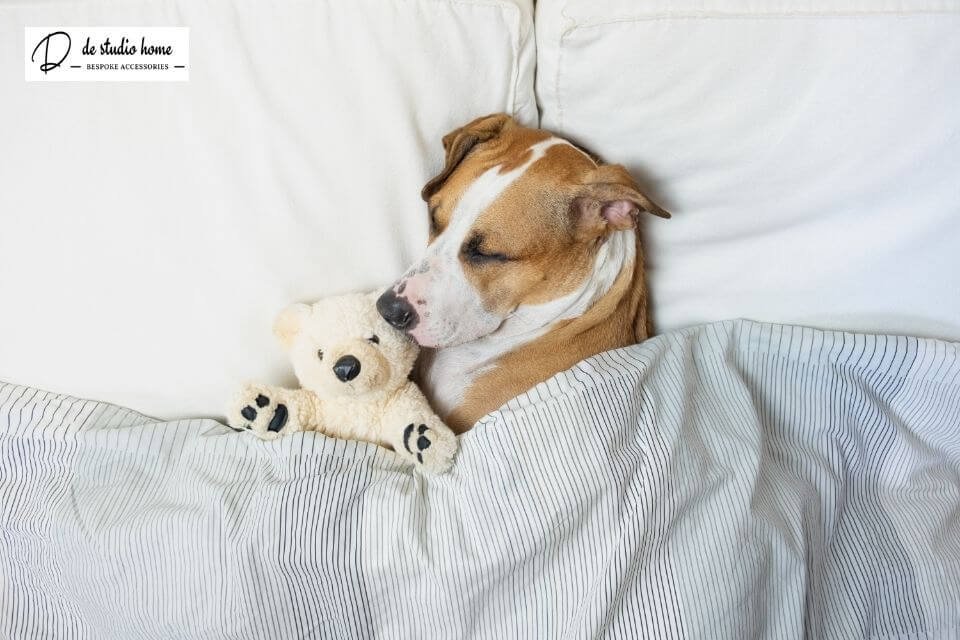
Creating A Peaceful Environment
A peaceful environment can help your dog feel relaxed and secure. The right environment can make it easier for your dog to sleep in his bed.
Here are some ways to create a peaceful environment:
- Comfortable bedding: Choose a bed that is the right size and is comfortable for your dog. Wash the bedding regularly to keep it clean.
- Dim lighting: Bright lights can be distracting. Use a nightlight or dim the lights to create a calming atmosphere.
- Consistent routine: Dogs thrive on routine. Establish a consistent bedtime routine to help your dog know when it is time to sleep.
Consider the temperature of the room. Dogs are sensitive to temperature changes. Keep the room at a comfortable temperature, not too hot or too cold.
Use calming scents. Lavender and chamomile are known for their calming properties. You can use a diffuser or spray to add these scents to the room.
Here is a checklist to help you create a peaceful environment:
| Factor | Solution |
| Bedding | Comfortable, clean, right size |
| Lighting | Dim, use nightlight |
| Routine | Consistent bedtime routine |
| Temperature | Comfortable, not too hot or cold |
| Scents | Use calming scents like lavender |
Monitoring Progress
Training your dog to sleep in his bed is a crucial step for a happy home. Monitoring progress is essential during this training. It helps you see how well your dog is adapting. This way, you can make changes if needed. Let’s dive into the details of monitoring your dog’s progress.
Tracking Sleep Patterns
Tracking your dog’s sleep patterns is key. This helps you understand if he is comfortable and consistent in his new bed.
Here are some steps to track his sleep:
- Observe: Watch when your dog goes to bed and wakes up.
- Note: Keep a sleep diary. Write down sleep times and any disturbances.
- Compare: Check if there are changes in his sleep duration.
A simple table can help you keep track:
| Day | Bedtime | Wake-up Time | Notes |
| Monday | 10:00 PM | 6:00 AM | Slept well |
| Tuesday | 10:30 PM | 6:15 AM | Woke up once |
| Wednesday | 10:00 PM | 6:00 AM | Restless |
This table helps you see patterns over time. If your dog wakes up often, he might not be comfortable. Look for signs of discomfort. Is the bed too small? Is it in a noisy place? Adjust these factors to improve his sleep. Consistency is vital for successful training.
Adjusting Training Methods
Sometimes, you need to change your training methods. If your dog is not sleeping well, consider these adjustments:
- Bed Location: Move the bed to a quieter place.
- Comfort: Check if the bed is soft and the right size.
- Routine: Keep a consistent bedtime routine. Dogs love routines.
Here’s a guide to adjust training:
- Evaluate: Look at your sleep tracking notes. Identify problems.
- Change One Thing at a Time: Move the bed or adjust the bedtime. Only change one thing to see what works.
- Be Patient: Give your dog time to adjust to changes. Dogs need time to form new habits.
Making small changes can lead to big improvements. If the bed is in a noisy place, move it to a quieter room. If your dog likes a soft bed, add a blanket. Consistency in routine can also help. Feed your dog at the same time every day. Take him for a walk before bed. These steps can make a huge difference.
Remember, every dog is different. What works for one might not work for another. Be patient and keep adjusting until you find what works best for your dog. Tracking and adjusting are ongoing processes. Keep at it, and your dog will soon love his new bed.
Handling Setbacks
Training your dog to sleep in his bed can be a rewarding experience, but there can be some bumps along the way. Handling setbacks is a crucial part of this training journey. Your furry friend might not adapt immediately, and that’s perfectly normal. Let’s dive into some common issues you might face and how to address them effectively.
Common Issues
Training your dog to sleep in his bed might come with a few hurdles.
Here are some common issues that you might encounter:
- Restlessness: Your dog might find it hard to settle down in his new bed.
- Anxiety: If your dog is used to sleeping close to you, he might feel anxious sleeping alone.
- Discomfort: The bed might not be comfortable enough for your dog.
- Frequent Night Waking: Your dog might wake up often and leave his bed.
To better understand these issues,
here’s a table that breaks down the symptoms and possible causes:
| Issue | Symptoms | Possible Causes |
| Restlessness | Pacing, whining | New environment, lack of exercise |
| Anxiety | Trembling, barking | Separation from owner |
| Discomfort | Refusal to stay in bed | Inappropriate bed size, material |
| Frequent Night Waking | Wandering, barking | Needs bathroom break, hunger |
Solutions And Adjustments
Addressing these issues requires patience and a few adjustments. Here are some solutions:
- Restlessness: Ensure your dog gets plenty of exercise during the day. A tired dog is more likely to sleep well.
- Anxiety: Place the bed in a familiar spot with your scent. Gradually move it to the desired location.
- Discomfort: Choose the right bed size and material. It should be cozy and supportive.
- Frequent Night Waking: Establish a bedtime routine. Ensure your dog goes to the bathroom and eats before bed.
To make these adjustments more effective, consider the following tips:
- Consistency: Stick to the routine you set. Dogs thrive on routine.
- Positive Reinforcement: Reward your dog with treats and praise when he stays in his bed.
- Patience: It might take some time for your dog to adjust. Be patient and persistent.
By understanding these common issues and applying the right solutions, you can help your dog feel comfortable and secure in his bed. This will lead to better sleep for both you and your furry friend.
To Puchcase The Best Bed Accessories – Visit Our Shop
Maintaining Long-term Habits
Training your dog to sleep in his bed is a rewarding journey. Maintaining long-term habits is key to ensuring your pet feels comfortable and secure in his designated sleeping area. Consistency and patience are crucial in this process. Below, we will discuss effective reinforcement strategies and the importance of celebrating your dog’s success.
Reinforcement Strategies
Reinforcement strategies help your dog understand that sleeping in his bed is a positive experience. The goal is to make your dog associate his bed with comfort and safety. Here are some effective methods:
- Positive Reinforcement: Reward your dog with treats or praise when he goes to his bed. This creates a positive association with the bed.
- Consistency: Make sure to guide your dog to his bed at the same time each night. Consistency helps establish a routine.
- Comfort: Ensure the bed is comfortable. Add a favorite blanket or toy to make it more inviting.
Consider using a table to keep track of your dog’s progress:
| Day | Behavior | Reward |
| 1 | Went to bed with guidance | Treat |
| 2 | Went to bed without guidance | Praise |
| 3 | Slept through the night | Toy |
Celebrating Success
Celebrating success reinforces positive behavior. It’s important to acknowledge your dog’s achievements, no matter how small.
Here are some ways to celebrate:
- Verbal Praise: Use a happy, encouraging tone to praise your dog. Simple phrases like “Good boy!” can make a big difference.
- Extra Playtime: Reward your dog with a fun play session. This not only celebrates success but also strengthens your bond.
- Special Treats: Give your dog his favorite treat. Special rewards can motivate him to keep up the good behavior.
Remember, celebrating success is not just about rewards. It’s also about showing love and affection.
Here’s a simple checklist to help you celebrate your dog’s success:
- Did he go to his bed on his own?
- Did he stay in his bed all night?
- Did he seem comfortable and happy?
Each positive answer is a reason to celebrate. Your dog will feel your happiness and will be more likely to repeat the behavior. Consistent celebration and positive reinforcement will help maintain long-term habits and ensure your dog enjoys sleeping in his bed.

Frequently Asked Questions
How Can I Get My Dog To Sleep In His Bed?
Start by placing the bed in a quiet, comfortable spot. Use treats to encourage your dog to lie down.
What If My Dog Refuses To Use His Bed?
Try making the bed more inviting with his favorite blanket or toys. Be patient and consistent.
How Long Does It Take For A Dog To Learn?
It varies. Some dogs may take a few days, others a few weeks. Consistency is key.
Should I Use Treats To Train My Dog?
Yes, treats can be very effective. Reward him when he uses his bed to create positive associations.
To Puchcase The Best Bed Accessories – Visit Our Shop
Conclusion
Training your dog to sleep in his bed takes patience. Consistency is key. Make the bed inviting and comfortable. Use positive reinforcement to encourage good behavior. Establish a routine that helps your dog feel secure. Gradually, your dog will learn to love his own bed.
Remember, every dog is different. Adjust your approach based on your dog’s needs. Keep practicing, and soon your dog will sleep peacefully in his bed. Happy training!

Sebastian D’souza is a leading expert in home and kitchen appliances, dedicated to transforming everyday living with high-quality, stylish, and innovative solutions. As the founder of De Studio Home, our passion for design and functionality, sustainability drives us to curate the best products for modern homes. Our commitment to excellence ensures that every customer enjoys a perfect balance of practicality and elegance in their living spaces.