

How to Know If You Have Bed Bugs: 7 Telltale Signs


Bed bugs are tiny pests that can cause big problems. They hide in beds and furniture, making them hard to spot.
Worried about bed bugs? They are sneaky and can go unnoticed for a long time. Knowing if you have bed bugs is key to getting rid of them. These pests feed on blood and can leave itchy bites. They hide in small crevices and come out at night.
Noticing signs early can save you a lot of trouble. In this post, you will learn how to spot these tiny invaders and what signs to look for. Stay tuned to find out if bed bugs have made a home in your space.
Signs Of Infestation
Worried about bed bugs? Recognizing the signs of infestation is the first step. Bed bugs are small, elusive, and can cause a lot of discomfort. Knowing these signs can help you act quickly to address the problem.
Bite Patterns
Bed bug bites are a common sign of infestation. They often appear in clusters or lines on exposed skin. These bites can be itchy and red. Unlike mosquito bites, which are random, bed bug bites follow a pattern.
Common bite areas include:
- Arms
- Neck
- Face
- Hands
It’s important to note that not everyone reacts to bed bug bites in the same way. Some people may not show any signs of bites, while others may have severe reactions. If you notice bite patterns, inspect your sleeping area for more clues.
To Purchase The Best Bed Accessories – Visit Our Shop
Consider the following table for quick identification:
| Feature | Bed Bug Bites | Mosquito Bites |
| Pattern | Clusters/Lines | Random |
| Location | Exposed Skin | Anywhere |
| Itchiness | High | Varies |
Droppings And Skins
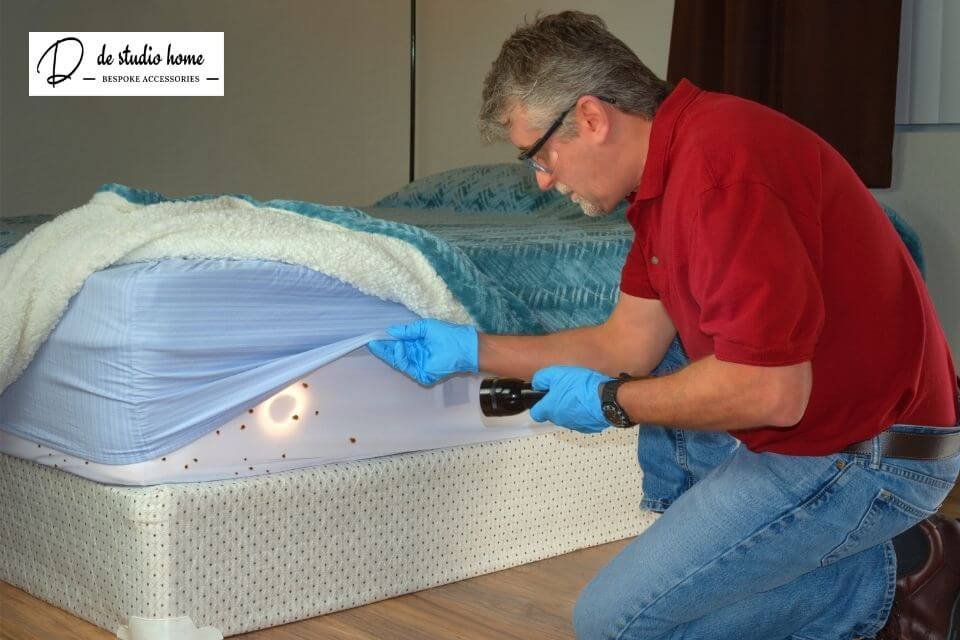
Another sign of bed bugs is their droppings and shed skins. These pests leave behind small, dark spots on mattresses, sheets, and furniture. These spots are bed bug excrement. They often look like tiny ink stains.
Bed bugs also shed their skins as they grow. You might find these skins in the seams of your mattress or near their hiding places. Look for:
- Small, brownish exoskeletons
- Dark spots or stains
- Musty odor
Inspect your bed frame, headboard, and nearby furniture. Bed bugs hide in cracks and crevices. Use a flashlight to look for signs in dark corners.
Below is a summary table of what to look for:
| Sign | Appearance | Location |
| Droppings | Small, dark spots | Mattress seams, sheets, furniture |
| Skins | Brownish exoskeletons | Cracks, crevices, mattress seams |
| Odor | Musty smell | Infested areas |
Finding these signs early can help you take steps to control the infestation. Regular inspections are key.
Common Hiding Spots
Bed bugs are tiny pests that can cause big problems. Knowing where they hide is crucial to getting rid of them. Their favorite hiding spots can often be surprising. Let’s explore some common places where these pests like to lurk.
Mattresses And Bedding
Bed bugs love to hide in mattresses and bedding. They find these spots cozy and close to their food source – you! Here are some specific areas within your mattress and bedding where bed bugs might be hiding:
- Seams and tufts of the mattress
- Inside box springs
- Under mattress tags and labels
- Along the bed frame and headboard
Inspect these areas carefully. Use a flashlight and a magnifying glass to check for small, reddish-brown insects. Look for tiny black spots, which could be bed bug excrement. You might also find small, pale yellow eggs or shed skins. Regularly washing and drying bedding on high heat can help reduce bed bug infestations.
A thorough inspection is essential. Bed bugs are skilled at hiding. They can fit into tiny crevices. So, turn over your mattress and check all sides. Don’t forget to inspect pillows and blankets too.
Furniture And Cracks
Bed bugs are not limited to your bed. They can hide in various pieces of furniture and tiny cracks around your home. Some common hiding spots in furniture include:
- Inside couches and chairs
- Under cushions and in seams
- Behind and under furniture
- In the joints and cracks of wooden furniture
Check all your furniture carefully. Use a flashlight to see into dark corners. Look for the same signs: live bugs, black spots, and shed skins. Bed bugs can also hide in cracks in walls, floors, and ceilings. Some key areas to inspect include:
- Baseboards and moldings
- Wall cracks and crevices
- Electrical outlets and light switches
- Picture frames and wall decorations
Seal up any cracks or gaps you find. This can help prevent bed bugs from hiding there. Regularly vacuum your home, paying special attention to these areas. Steam cleaning furniture and carpets can also help get rid of bed bugs and their eggs.
To Purchase The Best Bed Accessories – Visit Our Shop

Identifying Bites
Worried about bed bugs? Identifying bites is one way to know if these pesky insects have invaded your home. Bed bug bites can be tricky to identify, but knowing what to look for can help you take action quickly.
Itching And Redness
Bed bug bites often cause itching and redness. These bites usually appear as small, red bumps on the skin. Common areas include the arms, legs, and face. The bites may also be found on the neck and hands. Some signs to look for:
- Clusters of red, itchy bumps
- Raised, inflamed areas
- Localized swelling
Itching is a major symptom. It can start almost immediately after the bite or several hours later. The more you scratch, the worse it gets. Redness often accompanies the itching. The skin around the bites may become irritated and inflamed. This can make the bites more noticeable.
Check for bites in the morning. Bed bugs are most active at night. They bite while you sleep. If you wake up with new bites, bed bugs might be the cause. Look for patterns. Bed bug bites often appear in a line or cluster. This is sometimes called the “breakfast, lunch, and dinner” pattern.
Here’s a simple table to distinguish bed bug bites from other insect bites:
| Feature | Bed Bug Bites | Mosquito Bites |
| Appearance | Red, small bumps, often in clusters | Raised, red, round bumps, often isolated |
| Itching | Intense, persistent | Moderate to severe, temporary |
| Timing | Typically at night | Any time, usually evening |
Timing Of Bites
The timing of bed bug bites is another clue. Bed bugs are nocturnal. They usually bite at night. If you notice new bites in the morning, bed bugs might be to blame. Night-time activity is a key factor. Unlike other insects, bed bugs prefer to feed when you are asleep.
Observe the timing of new bites. Morning bites often indicate bed bugs. If bites appear after a nap, it could also be bed bugs. Check for bites after sleeping in different places. If you notice bites after sleeping in a hotel or friend’s house, consider bed bugs.
Keep a bite diary. Note the time and location of new bites. This can help identify patterns. If bites only appear after sleeping, it points to bed bugs. Comparing bite times can help confirm the presence of bed bugs.
Consider other factors as well:
- Travel history: Have you recently stayed in hotels?
- House guests: Did someone bring bed bugs into your home?
- Used furniture: Have you bought second-hand items recently?
Recognizing the timing and pattern of bites can help identify bed bugs. Early detection is crucial. It helps in taking swift action to eliminate these pests.
Visual Inspection
Discovering bed bugs in your home can be distressing. One of the best ways to identify a bed bug infestation is through a visual inspection. This method allows you to see the signs of bed bugs firsthand. By carefully examining your surroundings, you can spot these unwanted pests and take steps to eliminate them.
Using A Flashlight
To conduct a thorough visual inspection, a flashlight is essential. Bed bugs are nocturnal and prefer dark places, making them difficult to spot in regular lighting. Follow these steps to enhance your inspection:
- Turn off the main lights in the room.
- Use a powerful flashlight to examine areas where bed bugs are likely to hide. These include mattress seams, box springs, and bed frames.
- Look for small, rust-colored spots. These are often bed bug fecal matter.
- Inspect crevices and joints in furniture, as bed bugs often hide in these tight spaces.
- Check behind headboards and in the seams of cushions and pillows.
Be patient and thorough. Bed bugs are small and can easily be missed. Repeat the inspection process in different rooms if needed. Use the flashlight to look for any movement. Bed bugs are typically the size of an apple seed and can be a reddish-brown color.
Check For Eggs
Spotting bed bug eggs is another crucial step. Bed bug eggs are tiny, measuring about 1mm in length. They are white and often found in clusters. Here are some tips for identifying bed bug eggs:
- Use a magnifying glass to get a closer look at suspected areas.
- Look along the seams of mattresses and box springs. Bed bugs often lay eggs in these hidden spots.
- Check cracks and crevices in walls and furniture. Eggs can be hidden in these small spaces.
- Inspect behind wallpaper and under carpets. Bed bugs can lay eggs in these less obvious places.
- Pay attention to any sticky substances. Bed bug eggs are often coated with a sticky substance that helps them adhere to surfaces.
Finding eggs indicates a growing infestation. Early detection is key to controlling the spread of bed bugs. Use these guidelines to carefully search your home. Regular inspections can help prevent a major infestation.
To Purchase The Best Bed Accessories – Visit Our Shop
Using Traps
Detecting bed bugs early can save you from a lot of discomfort and potential infestations. One effective method to confirm their presence is using traps. Traps can help you catch bed bugs and give you a clearer idea of their population. Here, we’ll explore two types of traps: sticky traps and interceptor devices.
Sticky Traps
Sticky traps are a simple and effective way to monitor bed bugs. These traps use adhesive surfaces to catch bed bugs as they crawl over them. To use sticky traps, place them near areas where bed bugs are likely to travel. Common places include:
- Under your bed
- Near bed legs
- Along baseboards
These traps are easy to use and inexpensive. You can find them at most hardware stores or online. Here are some tips to maximize their effectiveness:
- Replace traps regularly to ensure they remain sticky.
- Check traps frequently to monitor bed bug activity.
- Place multiple traps in different locations for better coverage.
Sticky traps are especially useful for early detection. They can help you take action before an infestation becomes severe. While they won’t eliminate bed bugs, they are a valuable tool in your monitoring arsenal.
Interceptor Devices
Interceptor devices are another excellent tool for detecting bed bugs. These devices work by trapping bed bugs as they attempt to climb up or down furniture legs. Interceptor devices are typically placed under the legs of your bed or furniture. Here’s why they are effective:
- They create a barrier that bed bugs cannot escape from.
- They help identify the source of an infestation.
- They can provide peace of mind by showing bed bug activity levels.
Using interceptor devices is straightforward. Follow these steps for optimal results:
- Place the interceptors under each leg of your bed or furniture.
- Ensure the legs are centered in the device to avoid escape.
- Check the devices weekly to monitor for bed bugs.
Interceptor devices are highly effective because they trap bed bugs coming from or going to your bed. This can help you isolate the problem and take targeted action. They are also reusable, making them a cost-effective solution.
Both sticky traps and interceptor devices are valuable tools in detecting bed bugs. Use them together for comprehensive monitoring and early detection.
Professional Help
Identifying bed bugs can be challenging. Sometimes you need professional help to confirm an infestation. Expert assistance ensures accurate detection and effective removal. Read on to learn about pest control services and inspection techniques used by professionals.
Pest Control Services
Professional pest control services play a vital role in managing bed bug infestations. These experts use specialized tools and methods to ensure your home is free from these pests. Here are some key aspects of pest control services:
- Comprehensive Inspection: Professionals thoroughly inspect your home to locate bed bugs. They check common hiding spots such as mattresses, furniture, and cracks in walls.
- Customized Treatment Plans: After inspection, they create a treatment plan tailored to your specific situation. This plan may include chemical treatments, heat treatments, or a combination of both.
- Safety Measures: Professionals use treatments that are safe for humans and pets. They also provide guidance on how to prepare your home for treatment and steps to follow after.
- Follow-Up Visits: Pest control services often include follow-up visits to ensure the treatment was successful. They check for any remaining bed bugs and re-treat if necessary.
Using a professional service ensures that the problem is handled efficiently and reduces the risk of recurring infestations.
Read Our More Blog – Click Here
Inspection Techniques
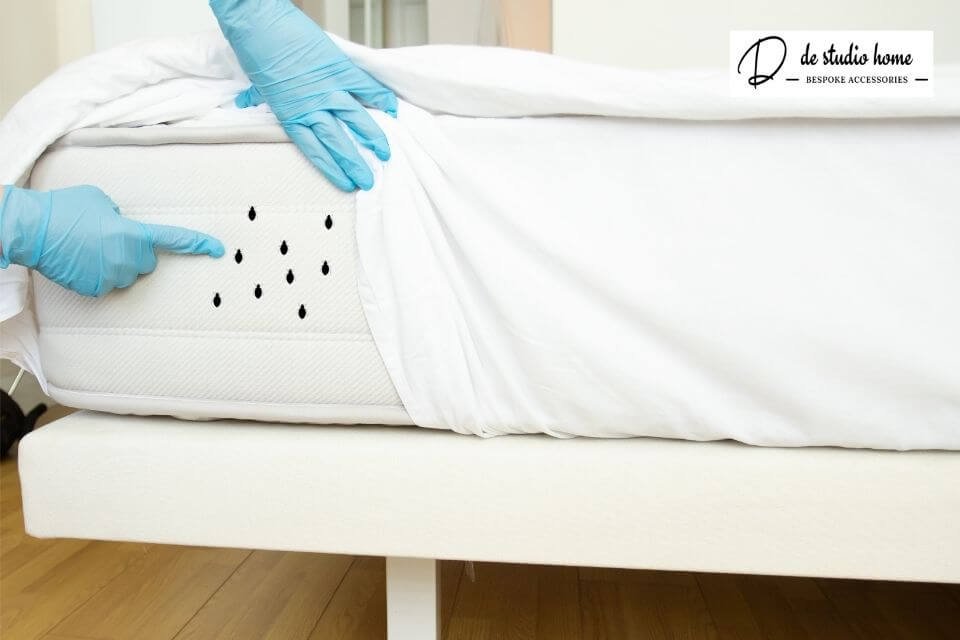
Expert inspectors use various techniques to identify bed bugs. These techniques ensure thorough detection, even in hard-to-reach places. Here are some common methods used:
- Visual Inspection: Inspectors carefully examine areas where bed bugs hide. They look for live bugs, exoskeletons, eggs, and fecal spots.
- Use of Specialized Tools: Tools like magnifying glasses and LED flashlights help in spotting tiny bed bugs and their signs.
- Bed Bug Sniffing Dogs: Some professionals use trained dogs that can detect the scent of bed bugs. These dogs can locate infestations with high accuracy.
- Sticky Traps: Inspectors place sticky traps in suspected areas. These traps catch bed bugs, confirming their presence.
- Monitoring Devices: Devices like bed bug monitors attract and capture bed bugs. They help in assessing the level of infestation.
Professionals combine these techniques for a comprehensive inspection. This thorough approach ensures no bed bug is left undetected, providing peace of mind and a clear path to eradication.
Preventive Measures
Worried you might have bed bugs? Knowing how to identify these pesky insects is crucial. One way to protect yourself is by taking preventive measures. By keeping your home clean and being cautious while traveling, you can minimize the risk of an infestation.
Regular Cleaning
Regular cleaning is your first line of defense against bed bugs. A clean home is less attractive to these pests. Here are some effective cleaning tips:
- Vacuum frequently: Vacuum your home at least once a week, especially in areas where you sleep. Pay special attention to cracks, crevices, and corners.
- Wash bedding: Wash your sheets, pillowcases, and blankets in hot water weekly. This will kill any bed bugs and their eggs.
- Declutter: Reduce clutter around your home. Bed bugs love to hide in piles of clothes, books, and other items.
Cleaning is not only about vacuuming and washing. It’s about maintaining a routine that keeps bed bugs at bay. Consider using a table to keep track of your cleaning schedule:
| Task | Frequency |
| Vacuum floors and furniture | Weekly |
| Wash bedding | Weekly |
| Declutter home | Monthly |
Keeping a clean home makes it easier to spot bed bugs early and prevents them from settling in. Stay vigilant and make cleaning a habit.
Travel Precautions
Traveling can increase your risk of bringing bed bugs home. They hide in luggage, clothes, and even hotel rooms. Follow these travel tips to stay safe:
- Inspect hotel rooms: Check the mattress, headboard, and furniture for signs of bed bugs. Look for tiny, rust-colored spots or live insects.
- Keep luggage off the floor: Use luggage racks or place your bags in the bathroom, away from the bed and furniture.
- Unpack carefully: When you return home, unpack your luggage outside or in the garage. Wash all clothes in hot water immediately.
Here is a quick checklist to ensure you follow these tips:
| Travel Precaution | Status |
| Inspect hotel room | Done |
| Keep luggage off the floor | Done |
| Unpack carefully | Done |
Being cautious while traveling can save you from a bed bug infestation. Always stay alert and follow these simple precautions to keep bed bugs out of your home.
To Purchase The Best Bed Accessories – Visit Our Shop
Myths Vs. Facts
Determining if you have bed bugs can be tricky. Many myths and facts about these tiny creatures make it hard to know the truth. Let’s clear up some common misconceptions and reveal the real truths about bed bugs.
Common Misconceptions
There are many myths about bed bugs. These myths can lead to unnecessary worry or incorrect actions. Here are some common misconceptions:
- Bed bugs only live in dirty places: This is not true. Bed bugs can be found in clean homes and hotels. They do not care about cleanliness; they just need a place to hide and access to human blood.
- Bed bugs are too small to be seen: Adult bed bugs are visible to the naked eye. They are about the size of an apple seed. They are reddish-brown and become more visible after feeding.
- Bed bugs only bite at night: While they are more active at night, bed bugs can bite during the day if they are hungry and a host is available.
Here is a simple table to compare myths and facts:
| Myth | Fact |
| Bed bugs only live in dirty places | Bed bugs can live anywhere |
| Bed bugs are too small to be seen | Adult bed bugs are visible |
| Bed bugs only bite at night | Bed bugs can bite anytime |
Truths About Bed Bugs
Understanding the real facts about bed bugs can help in identifying and dealing with them. Here are some truths:
- Bed bugs can live in many places: They hide in cracks and crevices. They can be found in beds, furniture, and even walls.
- Bed bug bites can cause reactions: Some people may not react to bed bug bites, while others may have itchy red welts. Bites usually appear in clusters or lines.
- Bed bugs are not known to spread diseases: Unlike mosquitoes, bed bugs do not transmit diseases. Their bites can be uncomfortable and cause sleepless nights, though.
Recognizing these truths can help you take the right steps to handle a bed bug problem. Keep an eye out for small blood stains on sheets, tiny dark spots (bed bug excrement), and a sweet, musty odor. These signs can indicate the presence of bed bugs.
Health Impacts
Bed bugs can be more than just a nuisance. They can have several health impacts that you might not be aware of. Knowing the signs of bed bugs and understanding the health implications can help you take the right steps to address the problem. Bed bugs can cause both physical and mental health issues.
Allergic Reactions
Bed bug bites can cause allergic reactions in some individuals. These reactions can range from mild to severe. Here are some common symptoms of allergic reactions to bed bug bites:
- Red, itchy welts
- Swelling around the bite area
- Rash or hives
For some people, the reaction can be more severe. This can include:
- Difficulty breathing
- Swelling of the lips or tongue
- Anaphylaxis (a severe, potentially life-threatening allergic reaction)
It’s important to monitor your symptoms and seek medical attention if you experience severe reactions. Over-the-counter antihistamines can help with mild symptoms. For more serious reactions, a doctor may prescribe stronger medication.
Mental Health Effects
Dealing with bed bugs can take a toll on your mental health. The stress and anxiety of an infestation can be overwhelming. Here are some mental health impacts to consider:
- Sleep disturbances: Fear of being bitten can lead to insomnia.
- Stress: Constant worry about bed bugs can increase stress levels.
- Anxiety: The presence of bed bugs can cause anxiety and panic attacks.
In severe cases, people may experience:
- Depression
- Paranoia
- Social isolation
If you find yourself struggling with these issues, it may be helpful to talk to a mental health professional. They can provide strategies to cope with the stress and anxiety caused by a bed bug infestation. Relaxation techniques, such as deep breathing exercises and meditation, can also help manage stress levels.
Understanding the health impacts of bed bugs can help you take the necessary steps to protect yourself and your family. Whether dealing with allergic reactions or mental health effects, it’s important to address the problem head-on.

Frequently Asked Questions
What Are Bed Bugs?
Bed bugs are small, brownish insects. They feed on human blood.
How Do Bed Bugs Look?
Bed bugs are oval, flat, and reddish-brown. They are about the size of an apple seed.
Where Do Bed Bugs Hide?
Bed bugs hide in mattresses, bed frames, and furniture. They like small cracks and crevices.
What Are Bed Bug Bites Like?
Bed bug bites are red and itchy. They often appear in lines or clusters.
Can Bed Bugs Cause Health Issues?
Yes, bed bug bites can cause itching and allergic reactions. They do not spread diseases.
How To Check For Bed Bugs?
Check for small brown bugs, tiny white eggs, and dark spots on bedding.
Do Bed Bugs Only Live In Dirty Places?
No, bed bugs can live anywhere. Clean or dirty homes, hotels, and public places.
How Fast Do Bed Bugs Spread?
Bed bugs spread quickly. They hitch rides on luggage, clothing, and furniture.
Can You See Bed Bugs With The Naked Eye?
Yes, adult bed bugs are visible. They are small but can be seen without a microscope.
What Should You Do If You Find Bed Bugs?
Contact a pest control professional. Wash and dry bedding and clothes on high heat.
Conclusion
Identifying bed bugs can be challenging, but it’s essential for peace of mind. Look for signs like small bites and blood spots on sheets. Check mattresses and furniture for these pests. Act quickly if you suspect an infestation. Early detection makes it easier to control the problem.
Professional help may be needed for severe cases. Stay vigilant and maintain a clean environment. By knowing the signs, you can protect your home and health. Stay informed and proactive to keep bed bugs at bay.
To Purchase The Best Bed Accessories – Visit Our Shop

Sebastian D’souza is a leading expert in home and kitchen appliances, dedicated to transforming everyday living with high-quality, stylish, and innovative solutions. As the founder of De Studio Home, our passion for design and functionality, sustainability drives us to curate the best products for modern homes. Our commitment to excellence ensures that every customer enjoys a perfect balance of practicality and elegance in their living spaces.