

How to Clean Pillows: Easy Steps for Fresh, Fluffy Results


Your pillow is where you rest your head every night, so keeping it clean is more important than you might think. Over time, pillows collect dust, sweat, and even allergens that can affect your sleep and health.
But don’t worry—cleaning your pillows doesn’t have to be difficult or time-consuming. You’ll discover simple, effective steps to refresh your pillows and enjoy a cleaner, healthier sleep environment. Keep reading to learn how easy it is to give your pillows the care they deserve!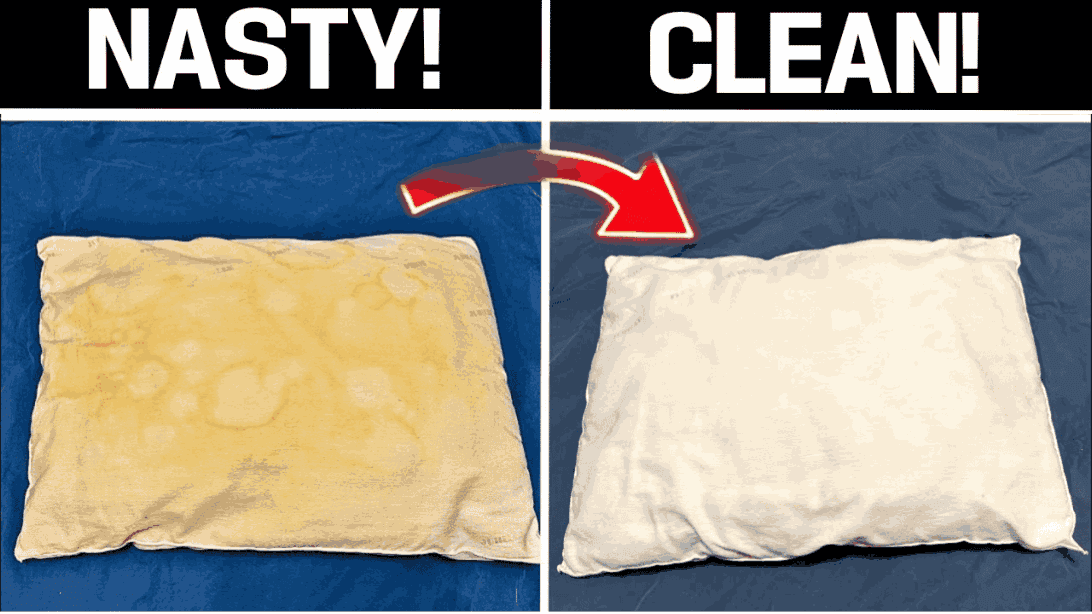
Types Of Pillows
Pillows come in different types, each made with unique materials and designs. These differences affect how to clean them properly. Knowing the type of pillow you have helps keep it fresh and long-lasting. Some pillows need gentle care, while others can handle more washing. Below are the most common pillow types and tips on how to clean each one.
buy Best pillows product: De Studio Home
Memory Foam
Memory foam pillows are popular for their comfort and support. They mold to the shape of your head and neck, helping reduce pain and improve sleep quality. These pillows are made from dense foam, so they absorb water easily and take time to dry.
Cleaning tips for memory foam pillows:
- Do not machine wash or dry. Water can damage the foam.
- Spot clean stains with a mild detergent and a damp cloth.
- Use a vacuum cleaner to remove dust and dirt regularly.
- Air out the pillow in a shaded, ventilated area to reduce odors.
- Use pillow covers to protect against sweat and spills.
| Cleaning Method | Recommended |
| Machine Wash | No |
| Spot Clean | Yes |
| Vacuuming | Yes |
| Drying | Air dry only |
Careful cleaning keeps memory foam pillows comfortable and hygienic without damage.
Down And Feather
Down and feather pillows are soft and fluffy. They come from the undercoating of ducks or geese. These pillows provide excellent warmth and comfort but can be tricky to clean. The feathers inside can clump or lose their shape if not washed correctly.
Cleaning tips for down and feather pillows:
- Use a front-loading washing machine on a gentle cycle with cold water.
- Choose a mild detergent designed for delicate fabrics.
- Dry on low heat with clean tennis balls or dryer balls to keep feathers fluffy.
- Air the pillow regularly to prevent odors and moisture build-up.
- Use pillow protectors to reduce the need for frequent washing.
Important:Avoid using bleach or fabric softeners as they can damage feathers.
| Cleaning Aspect | Guideline |
| Washing Machine | Gentle cycle, cold water |
| Detergent | Mild, no bleach |
| Drying | Low heat with dryer balls |
Proper care preserves the softness and lifespan of down and feather pillows.
Polyester
Polyester pillows are affordable and easy to maintain. They are filled with synthetic fibers that resist moisture and dry quickly. These pillows are common in many homes and hotels due to their durability.
Cleaning tips for polyester pillows:
- Machine wash on warm or cold settings with regular detergent.
- Use a gentle or normal cycle depending on pillow firmness.
- Tumble dry on low heat to prevent fiber damage.
- Fluff the pillow after drying to maintain shape.
- Wash pillows every 3 to 6 months to remove dust mites and allergens.
Polyester pillows tolerate regular washing well but should avoid high heat to prevent melting fibers.
| Cleaning Step | Advice |
| Machine Washing | Warm or cold water, gentle cycle |
| Detergent | Regular detergent |
| Drying | Low heat tumble dry |
| Fluffing | After drying |
Following these steps keeps polyester pillows clean, fresh, and comfortable for sleep.
Signs Pillows Need Cleaning
Pillows are an essential part of a good night’s sleep. They provide comfort and support, but over time, they collect dirt, sweat, and dust mites. Knowing the signs pillows need cleaninghelps keep your sleep environment fresh and healthy. Clean pillows improve sleep quality and reduce health risks. Watch for clear signs that show your pillows need attention.
Odor
An unpleasant smell coming from your pillow is a strong sign it needs cleaning. Pillows absorb sweat, skin oils, and moisture during sleep. This creates a breeding ground for bacteria and mildew, which cause bad odors.
Common causes of pillow odor:
- Sweat buildup
- Body oils
- Moisture from breathing
- Dust mites and bacteria
Odors vary from musty and sour to a faint chemical scent. A fresh pillow should smell neutral or clean. If your pillow smells bad, it can affect your sleep and make your bedroom less inviting.
| Odor Type | Possible Cause | Impact |
| Musty | Mold or mildew from moisture | Health risk, poor air quality |
| Sour | Body sweat and bacteria | Discomfort, sleep disturbance |
| Chemical | Cleaning agents or pillow materials | Allergic reactions |
Regularly airing out pillows and washing them helps remove odors. Use pillow protectors to reduce odor buildup.
Stains
Stains on pillows are a visible sign they need cleaning. Sweat, drool, makeup, and spills leave marks that attract dirt and germs. Stains weaken pillow fabric and cause unpleasant smells.
Types of common pillow stains:
- Yellow or brown sweat stains
- Oil or makeup marks
- Food or drink spills
- Blood spots
Some stains are hard to remove and worsen over time. Deep stains can damage the pillow’s filling and reduce comfort. Cleaning stained pillows keeps them hygienic and extends their life.
Tips to handle pillow stains:
- Spot clean stains as soon as possible
- Use gentle stain removers safe for pillow material
- Follow washing instructions on the care label
- Dry pillows thoroughly to prevent mildew
Ignoring stains risks bacteria growth and allergy triggers. Clean pillows brighten your sleeping area and improve hygiene.
Allergy Symptoms
Allergy symptoms are a hidden sign pillows need cleaning. Dust mites, mold, and bacteria live inside pillows and cause allergic reactions. These allergens grow in warm, moist pillow environments.
Common allergy symptoms linked to dirty pillows:
- Runny or stuffy nose
- Sneezing
- Itchy or watery eyes
- Coughing or wheezing
- Skin irritation
People with asthma or sensitive skin suffer more when pillows are unclean. Even without allergies, dirty pillows can irritate the respiratory system.
| Allergen | Source in Pillow | Effect on Health |
| Dust mites | Dead skin cells and humidity | Triggers asthma, sneezing |
| Mold spores | Moisture buildup | Causes respiratory problems |
| Bacteria | Body sweat and oils | Skin irritation and infections |
Washing pillows regularly and using pillow protectors reduce allergens. Keep bedroom air fresh and dry to prevent allergen growth.
Preparing Pillows For Cleaning
Cleaning pillows properly starts with good preparation. This step helps keep pillows fresh and lasts longer. Preparing pillows for cleaning means checking labels, removing covers, and treating stains. These actions make cleaning easier and protect pillow materials. Follow simple steps to get pillows ready for washing or freshening up.
Check Care Labels
Care labels give important instructions for cleaning pillows safely. They tell which methods work best and which to avoid. Always read the label before cleaning to avoid damage. Here are common care label instructions:
- Machine wash:Pillow is safe in a washing machine.
- Hand wash only:Use gentle washing by hand.
- Dry clean:Take pillow to a professional cleaner.
- Do not wash:Pillow should not get wet.
- Use cold or warm water:Temperature limits for washing.
Some pillows have specific materials like memory foam or feathers. These need special care. The table below shows common pillow types and their cleaning tips from care labels:
| Pillow Type | Cleaning Method | Notes |
| Memory Foam | Spot clean or hand wash | Do not machine wash or dry |
| Feather/Down | Machine wash on gentle | Use mild detergent, dry thoroughly |
| Polyester | Machine wash warm | Dry on low heat |
Following care labels keeps pillows safe and clean. Avoid guessing to prevent ruining pillows.
Remove Pillowcases
Removing pillowcases is a simple but important step before cleaning. Pillowcases collect dirt, oils, and sweat. Washing them separately prevents spreading stains to pillows.
Steps to remove and prepare pillowcases:
- Take off pillowcases carefully to avoid ripping.
- Check pillowcases for stains or damage.
- Wash pillowcases according to their care label.
- Dry pillowcases completely before putting back on pillows.
Washing pillowcases often helps keep pillows fresher longer. Use a gentle detergent and avoid bleach unless safe for fabric. Clean pillowcases protect pillows from dirt buildup.
Keep spare pillowcases on hand for quick changes. This practice keeps your sleeping area clean and comfortable.
Spot Treatment
Spot treating pillows removes stains before full cleaning. This prevents stains from setting and improves cleaning results. Use a mild stain remover or homemade solution.
Steps for effective spot treatment:
- Identify stained areas on the pillow surface.
- Apply a small amount of stain remover or detergent directly on the spot.
- Gently rub the stain with a soft cloth or sponge.
- Let the solution sit for 10 to 15 minutes.
- Blot the area with a clean damp cloth to lift the stain.
For natural spot treatment, try a mix of water and white vinegar or baking soda paste. Test any solution on a small pillow area first to avoid damage.
Spot treatment helps avoid harsh washing and keeps pillow materials intact. Treat stains early for best results.
Washing Pillows Safely
Cleaning pillows is essential for a fresh and healthy sleep environment. Washing pillows safely keeps them in good shape and removes dust, sweat, and allergens. Pillows come in different materials, so handling them carefully prevents damage. Proper washing methods also help pillows last longer. This section explains how to wash pillows safely, using a machine or by hand, to keep them clean and comfortable.
Buy the Best Pillows : De Studio Home
Machine Washing Tips
Many pillows can be cleaned in a washing machine. This method is quick and effective but needs some care to avoid damage. Check the care label on your pillow before washing. Some pillows, like memory foam, should never go in the machine. Use a gentle cycle and cold or warm water to protect the pillow’s filling.
Follow these tips for machine washing pillows:
- Use mild detergent:Choose a gentle detergent to avoid harming the pillow’s fabric and filling.
- Balance the load:Wash two pillows at once to keep the machine balanced during the spin cycle.
- Extra rinse:Run an extra rinse cycle to remove all detergent residue.
- Spin gently:Use a low spin speed to reduce wear and tear on the pillow.
| Step | Action | Reason |
| 1 | Check care label | To know if the pillow is machine washable |
| 2 | Use mild detergent | Protects fabric and filling |
| 3 | Wash two pillows together | Balances the load |
| 4 | Use gentle cycle and cold/warm water | Prevents damage |
| 5 | Extra rinse cycle | Removes detergent completely |
| 6 | Dry thoroughly | Prevents mold and odor |
Dry pillows completely after washing. Use low heat in a dryer or air dry in sunlight. Toss in clean tennis balls or dryer balls to keep the filling fluffy.
Hand Washing Method
Hand washing pillows is a safer choice for delicate or non-machine washable pillows. It takes more time but helps keep pillows in good condition. Use this method for memory foam, latex, or decorative pillows.
Steps for hand washing pillows:
- Fill a tub or basin with lukewarm water.
- Add a small amount of mild detergent and mix well.
- Submerge the pillow and gently squeeze it to soak the detergent into the filling.
- Let the pillow soak for 15-30 minutes.
- Gently press the pillow to remove dirt and oils. Avoid wringing or twisting.
- Drain the soapy water and refill the tub with clean water.
- Rinse the pillow thoroughly by pressing it under clean water several times.
- Press out excess water gently. Repeat rinsing if soap remains.
- Lay the pillow flat on a clean towel and roll it to absorb water.
- Air dry the pillow completely in a well-ventilated area, turning it often.
Tips for hand washing:
- Use only mild detergent to protect fibers.
- Handle the pillow gently to avoid damage.
- Do not soak memory foam pillows for too long.
- Ensure pillows dry fully to prevent mold growth.
Hand washing takes effort but refreshes pillows safely. It removes dirt and sweat without harming the filling or shape.
Drying Pillows Effectively
Cleaning pillows is essential for a fresh and healthy sleeping environment. After washing, drying pillows properly is just as important. Drying pillows effectivelyprevents mold, bad odors, and damage. It also keeps pillows fluffy and comfortable. This section explains three key ways to dry pillows well: air drying, using a dryer, and preventing clumps.
Air Drying
Air drying is a gentle and natural way to dry pillows. It works best for pillows that cannot be placed in a dryer, like memory foam or latex types. To air dry pillows:
- Choose a sunny, well-ventilated spot.Sunlight helps kill bacteria and speeds drying.
- Lay pillows flat.Avoid folding to keep their shape.
- Flip and fluff pillows every few hours.This helps air reach all sides and speeds drying.
Air drying may take one to two days depending on weather conditions. Use a fan to increase airflow indoors. Do not hang pillows by corners; this can cause misshaping. Instead, place them on a clean surface that allows air circulation underneath.
| Tip | Reason |
| Use sunlight | Kills germs and speeds drying |
| Flip regularly | Prevents damp spots and odors |
| Keep flat | Maintains pillow shape |
Using A Dryer
Using a dryer is a quick way to dry many types of pillows, especially synthetic and down-filled ones. Here’s how to dry pillows safely in a dryer:
- Check the pillow label.Confirm if the pillow is dryer-safe.
- Use a low heat or air fluff setting.High heat can damage filling or fabric.
- Add dryer balls or clean tennis balls.These help break up clumps and keep pillows fluffy.
- Dry pillows in cycles.Pause after 20-30 minutes to fluff pillows by hand.
Drying time varies but usually takes 40-60 minutes. Ensure pillows are fully dry to avoid mold growth. If damp, run additional cycles at low heat. Avoid overdrying as it can weaken pillow fibers.
| Dryer Setting | Purpose |
| Low heat | Protects pillow filling |
| Air fluff | Gently dries without heat |
| Tennis balls/dryer balls | Prevents clumping and fluffs pillows |
Preventing Clumps
Clumps happen when pillow filling sticks together during washing or drying. Clumps reduce comfort and lifespan. Here are tips to prevent clumps:
- Use gentle washing cycles.Harsh agitation can cause filling to bunch up.
- Rinse pillows thoroughly.Leftover detergent causes stiffness and clumps.
- Dry pillows with dryer balls or tennis balls.These break up clumps during drying.
- Fluff pillows by hand regularly.Shake and knead pillows during drying.
- Consider spot cleaning.For small stains, avoid full washing to keep filling intact.
Following these steps keeps pillows soft and evenly filled. Clump-free pillows last longer and offer better support for your head and neck.
Maintaining Pillow Freshness
Keeping pillows fresh is key for a clean and healthy sleep space. Pillows collect dust, sweat, and skin cells. These can cause odors and allergies over time. Maintaining pillow freshness helps extend their life and improve sleep quality. Simple habits can keep pillows feeling soft and smelling nice without constant washing.
Regular Fluffing
Fluffing pillows often helps them keep their shape and stay comfortable. It moves air inside the pillow, which prevents lumps and reduces moisture buildup. Fluffing also loosens dust and debris, making pillows less likely to smell bad.
Follow these tips for effective pillow fluffing:
- Fluff daily:Spend a few minutes every day to shake and punch your pillow.
- Use both hands:Push and pull the pillow edges to redistribute the filling evenly.
- Sun exposure:Place pillows in sunlight for 1-2 hours once a week. Sunlight kills bacteria and dries moisture.
- Air out:Leave pillows in a well-ventilated area to freshen up.
Here is a simple schedule to keep pillows fresh:
| Action | Frequency | Benefit |
| Fluffing | Daily | Maintains shape and comfort |
| Sun exposure | Weekly | Reduces bacteria and moisture |
| Air out | Weekly | Prevents odors and dampness |
Regular fluffingis simple but effective. It keeps pillows soft and ready for a good night’s rest.
Using Pillow Protectors
Pillow protectors act as a barrier between the pillow and dirt. They block sweat, oils, dust mites, and allergens from reaching the pillow. This helps keep pillows cleaner and fresher for longer.
Benefits of pillow protectors include:
- Easy cleaning:Protectors are easier to wash than pillows.
- Allergy control:They reduce dust mite buildup and allergens.
- Extends pillow life:Protectors prevent stains and wear on pillows.
- Waterproof options:Some protectors guard against spills and moisture.
Choose the right pillow protector by checking:
- Material:Cotton protectors are breathable. Waterproof protectors use vinyl or polyurethane.
- Fit:Choose a protector that fits your pillow size snugly.
- Washability:Use protectors that can be machine washed easily.
- Allergen blocking:Look for products labeled hypoallergenic.
Using a pillow protector is a simple step that adds a strong layer of defense against dirt and allergens. It helps keep pillows feeling fresh day after day.
When To Replace Pillows
Cleaning pillows keeps them fresh and extends their use. Yet, pillows do not last forever. Knowing when to replace pillowsis key to healthy sleep and comfort. Old pillows can hold dust mites, allergens, and lose support. Recognizing the right time to get a new pillow helps prevent neck pain and allergies.
Lifespan Guidelines
Most pillows have a typical lifespan of 1 to 3 years. This depends on the pillow type and usage. Here is a quick guide:
- Memory foam pillows:Last 2 to 3 years
- Feather pillows:Last 1 to 2 years
- Polyester pillows:Last 1 to 2 years
- Latex pillows:Last 3 to 4 years
These are average ranges. Pillows used every night wear faster than guest pillows. Frequent washing can also reduce lifespan.
| Pillow Type | Average Lifespan |
| Memory Foam | 2 – 3 years |
| Feather | 1 – 2 years |
| Polyester | 1 – 2 years |
| Latex | 3 – 4 years |
Keeping pillows longer than their lifespan can cause poor sleep and health issues. Replace pillows regularly for the best support and hygiene.
Signs Of Wear
Check pillows often for signs they need replacing. These signs include:
- Loss of shape:Pillow stays flat or lumpy after fluffing.
- Unpleasant odor:Smells musty even after washing.
- Allergy symptoms:Sneezing, coughing, or itchy eyes near the pillow.
- Stains and discoloration:Yellow or dark spots visible.
- Neck or back pain:Pillow no longer supports your head well.
These signs show the pillow is no longer clean or supportive. Replace pillows immediately when you notice these problems.
Regular inspection helps keep your sleep environment healthy. Clean pillows often, but replace them on time.

Frequently Asked Questions
How Often Should I Clean My Pillows For Best Hygiene?
Pillows should be cleaned every 3 to 6 months to remove dirt, sweat, and dust mites.
Can I Wash All Types Of Pillows In A Washing Machine?
Most pillows like down, feather, and synthetic can be machine washed, but check the label first.
What Is The Best Way To Dry Pillows After Washing?
Air dry pillows in sunlight or use a low heat dryer with tennis balls to keep fluff.
Conclusion
Cleaning pillows keeps them fresh and helps you sleep better. Regular washing removes dirt, dust, and allergens. Always check the care label before cleaning. Use gentle detergent and the right water temperature. Dry pillows completely to avoid mold and bad smells.
Clean pillows last longer and feel soft. A clean pillow means a healthier bed. Take time to care for your pillows often. Your sleep will thank you. Simple steps make a big difference. Keep your pillows clean for comfort every night.

Sebastian D’souza is a leading expert in home and kitchen appliances, dedicated to transforming everyday living with high-quality, stylish, and innovative solutions. As the founder of De Studio Home, our passion for design and functionality, sustainability drives us to curate the best products for modern homes. Our commitment to excellence ensures that every customer enjoys a perfect balance of practicality and elegance in their living spaces.