

Can You Get Rid of Bed Bugs With Vinegar? Effective Solutions Revealed


Yes, you can use vinegar to help get rid of bed bugs. Vinegar has properties that can kill bed bugs on contact.
But, it may not be the most effective solution for a large infestation. Bed bugs are a common nuisance in homes. These tiny pests hide in mattresses, furniture, and cracks in walls. They can cause itchy bites and discomfort. Many people look for natural ways to get rid of them.
Vinegar is one such remedy. It is easy to find and affordable. But does it really work against bed bugs? In this post, we will explore how vinegar affects bed bugs. We will also discuss its benefits and limitations. Understanding these points can help you decide if vinegar is the right solution for your bed bug problem.
Vinegar As A Bed Bug Solution
Bed bugs are a common household pest. They cause sleepless nights and itchy bites. Many people search for natural solutions to get rid of them. One popular home remedy is vinegar. But can vinegar really help? Let’s explore the idea of using vinegar as a bed bug solution.

Acetic Acid Properties
Vinegar contains acetic acid. This acid gives vinegar its strong smell and sour taste. It has some properties that can affect bed bugs:
- Strong odor: The smell of vinegar can repel some insects.
- Acidic nature: Acetic acid can break down the outer shell of bed bugs.
- Cleaning agent: Vinegar is often used to clean surfaces. It can remove dirt and debris where bed bugs hide.
While vinegar has these properties, its effectiveness against bed bugs is limited. Bed bugs are resilient. They can hide in tiny cracks and crevices. Vinegar might kill some bed bugs on contact. But it won’t reach all the hiding spots.
Here’s a comparison table to understand better:
| Property | Effectiveness |
| Repellent | Moderate |
| Insect Killer | Low |
| Cleaner | High |
Common Misconceptions
There are many myths about using vinegar for bed bugs. Here are some common misconceptions:
- Vinegar kills all bed bugs: This is not true. Vinegar can kill some bed bugs on contact. But it won’t eliminate an entire infestation.
- Vinegar is a long-term solution: Vinegar might offer short-term relief. Bed bugs can quickly return if not treated properly.
- Vinegar can replace professional treatments: Professional pest control is more effective. Vinegar alone is not enough to solve a serious bed bug problem.
People often believe vinegar is a miracle solution. It is not. Bed bugs are tough. They can survive in harsh conditions. Relying only on vinegar can lead to frustration and ongoing problems.
Understanding these misconceptions can help manage expectations. Vinegar can be part of a larger strategy. It can help with cleaning and repelling some bugs. But professional treatment is the best way to get rid of bed bugs completely.
To Get The Best Bed Accessories – Visit Our Shop
Effectiveness Of Vinegar
Bed bugs can be a nightmare for any household. Many people search for natural remedies to get rid of these pests. Vinegar is one of the most popular natural solutions. But, is vinegar effective in eliminating bed bugs? This section will explore the effectiveness of vinegar in combating these unwelcome visitors.
Success Rates
Vinegar is known for its strong smell and acidic nature. These properties can kill bed bugs on contact. But, the success rate of using vinegar to get rid of bed bugs varies. Here are some points to consider:
- Direct Contact: Vinegar must be sprayed directly on bed bugs to kill them. It can be effective in small infestations.
- Eggs and Hiding Spots: Vinegar may not kill bed bug eggs. It can be hard to reach bed bugs hiding in cracks and crevices.
- Reapplication: Frequent reapplication is necessary. Bed bugs can hide and reappear, making it hard to eliminate them completely.
Let’s look at a table to summarize the pros and cons of using vinegar:
| Pros | Cons |
| Natural and non-toxic | Only kills on contact |
| Inexpensive and easy to find | Does not kill eggs |
| Can be used in combination with other methods | Requires frequent reapplication |
Vinegar can work in certain situations. But, it may not be a complete solution for severe infestations.
Comparative Studies
To understand vinegar’s effectiveness better, it’s helpful to compare it with other natural remedies. Several studies have looked at different methods to eliminate bed bugs. Here are some findings:
- Vinegar vs. Rubbing Alcohol: Both can kill bed bugs on contact. Rubbing alcohol evaporates faster, leaving less residue.
- Vinegar vs. Diatomaceous Earth: Diatomaceous earth is a powder that damages bed bugs’ exoskeletons. It can be more effective in killing eggs and bugs over time.
- Vinegar vs. Essential Oils: Essential oils, like tea tree oil, can repel bed bugs. They may not kill them as effectively as vinegar.
Here’s a comparison table of different natural remedies:
| Method | Effectiveness | Ease of Use |
| Vinegar | Moderate | Easy |
| Rubbing Alcohol | Moderate | Easy |
| Diatomaceous Earth | High | Moderate |
| Essential Oils | Low to Moderate | Easy |
Comparative studies show that while vinegar can be useful, it may not be the most effective method. Combining it with other treatments may increase success rates.
How To Use Vinegar
Bed bugs are tiny pests that can cause big problems. Many people seek natural remedies to eliminate them. Vinegar is one such remedy. This blog post will discuss how to use vinegar effectively to get rid of bed bugs.
Spray Application
Using vinegar as a spray is a simple and effective method. Start by filling a spray bottle with white vinegar. White vinegar is preferred because of its strong acetic acid content. Follow these steps:
- Identify Bed Bug Hiding Spots: Check your mattress, box spring, bed frame, and other furniture for bed bugs.
- Spray Directly: Spray the vinegar directly on bed bugs and their nests. Ensure you cover all areas thoroughly.
- Repeat Daily: Continue spraying daily for at least a week to ensure all bed bugs are eradicated.
Vinegar works by killing bed bugs on contact. The strong smell also acts as a repellent. For larger infestations, you may need to combine this method with other treatments.
| Step | Action |
| 1 | Identify hiding spots |
| 2 | Spray directly on bed bugs |
| 3 | Repeat daily for a week |
Soaking Methods
For severe infestations, soaking items in vinegar may be necessary. This method ensures that bed bugs are eliminated from hard-to-reach areas. Follow these steps:
- Prepare a Vinegar Solution: Mix equal parts of white vinegar and water in a large container.
- Soak Infested Items: Submerge infested items such as clothing, bedding, and small furniture pieces in the solution.
- Let It Sit: Allow the items to soak for at least an hour. This gives the vinegar enough time to kill bed bugs.
- Dry Completely: After soaking, dry the items completely. Use a dryer on high heat if possible.
This method is particularly useful for washable items. Vinegar’s acidity is effective at killing bed bugs and their eggs. Ensure you check and treat all potential hiding spots.
Combining spray and soaking methods can offer a comprehensive approach to bed bug elimination. Persistence and thoroughness are key to success.
To Get The Best Bed Accessories – Visit Our Shop
Limitations Of Vinegar
Vinegar is often suggested as a natural remedy for bed bugs. While it might provide some relief, it has its limitations. Understanding these limitations can help you make informed decisions about bed bug treatment.
Temporary Relief
Vinegar can kill bed bugs on contact due to its acidic nature. This gives some people hope that vinegar can be a solution. But the relief it provides is often temporary.
When you spray vinegar directly on bed bugs, it might kill some of them. Yet, it does not reach the ones hiding in cracks and crevices. Bed bugs are experts at hiding. They can escape the spray, making vinegar less effective.
Here are a few reasons why vinegar only offers temporary relief:
- Limited Reach: Vinegar cannot penetrate deep into furniture or walls where bed bugs hide.
- Reapplication Needed: To maintain its effect, you need to reapply vinegar frequently.
- Eggs Not Affected: Vinegar does not kill bed bug eggs, leading to future infestations.
For these reasons, vinegar might not be the best long-term solution. It can provide a quick fix but does not solve the problem entirely.
Potential Risks
Using vinegar for bed bugs also comes with some risks. These risks can outweigh the temporary benefits.
First, vinegar has a strong smell. This smell can linger in your home, making it unpleasant to stay. It can also irritate your eyes and respiratory system.
Here are some potential risks of using vinegar:
- Damage to Surfaces: Vinegar is acidic and can damage some surfaces, like wood or certain fabrics.
- Health Concerns: Prolonged exposure to vinegar fumes can cause respiratory issues or skin irritation.
- False Security: Believing vinegar is a solution might delay more effective treatments, worsening the infestation.
Another risk is that bed bugs might move to other parts of your home to escape the vinegar. This can spread the infestation rather than contain it. Here’s a table summarizing these risks:
| Risk | Description |
| Damage to Surfaces | Acidic nature can harm wood, fabrics |
| Health Concerns | Fumes cause respiratory issues, skin irritation |
| False Security | Delays effective treatments, worsens infestation |
Given these risks, it’s clear that vinegar is not a comprehensive solution for bed bugs. It might offer some immediate relief, but it does not address the root of the problem.
Alternative Natural Remedies
Bed bugs are pesky pests that can invade your home and make your life miserable. While vinegar is a common home remedy for bed bugs, there are other alternative natural remedies that can be equally effective. Using natural methods can help you avoid harsh chemicals and keep your home safe for your family and pets.
Essential Oils
Essential oils can be a powerful weapon against bed bugs. These oils have strong scents and properties that can repel or kill bed bugs. Here are some of the most effective essential oils to use:
- Tea Tree Oil: Known for its antiseptic properties, tea tree oil can kill bed bugs on contact. Mix 20 drops of tea tree oil with water in a spray bottle and spray on affected areas.
- Lavender Oil: Lavender oil has a pleasant scent for humans but is repellent to bed bugs. Mix 10-15 drops with water and spray your bed and furniture.
- Peppermint Oil: The strong smell of peppermint oil can drive bed bugs away. Mix 15-20 drops with water and spray on infested areas.
- Eucalyptus Oil: Eucalyptus oil can kill bed bugs and their eggs. Use a mixture of 20 drops in water and spray on your mattress and other hiding spots.
Essential oils not only help in repelling bed bugs but also leave a refreshing scent in your home. Always test a small area first to ensure there is no staining or damage to your furniture or bedding.
Diatomaceous Earth
Diatomaceous earth is a natural powder made from fossilized aquatic organisms. It is an effective bed bug killer because it dehydrates the bugs. Here’s how to use it:
- Purchase Food-Grade Diatomaceous Earth: Make sure you buy food-grade diatomaceous earth, which is safe for humans and pets.
- Apply Lightly: Sprinkle a thin layer of diatomaceous earth around your bed, in cracks and crevices, and other areas where bed bugs may hide.
- Leave for a Few Days: Allow the powder to sit for several days to ensure all bed bugs come in contact with it.
- Vacuum Thoroughly: After a few days, vacuum the powder and any dead bed bugs. Dispose of the vacuum bag outside your home to prevent re-infestation.
Diatomaceous earth is safe and non-toxic, making it a great option for those who prefer natural remedies. Just be sure to use it as directed and avoid inhaling the dust during application.
Preventing Bed Bug Infestations
Dealing with bed bugs can be a nightmare, and you might wonder if vinegar can help. While vinegar has some effect, preventing bed bug infestations is crucial. Taking proactive steps can save you from sleepless nights and itchy bites. Let’s explore some methods to keep these pests at bay.
Regular Inspections
Regular inspections are vital in preventing bed bug infestations. Bed bugs are tiny and can hide in small cracks and crevices. By inspecting your home frequently, you can catch any signs of bed bugs early. Here’s how to conduct a thorough inspection:
- Check Mattress Seams: Look along the seams and edges of your mattress. Bed bugs often hide in these areas.
- Inspect Furniture: Examine the joints and seams of furniture. Pay attention to areas near the bed.
- Look Behind Wall Hangings: Bed bugs can hide behind pictures and other wall decorations.
- Examine Baseboards and Carpets: Check the edges of carpets and along baseboards for any signs of bed bugs.
Use a flashlight to inspect dark areas. If you find any signs, such as small black spots or shed skins, take action immediately. Early detection can prevent a full-blown infestation.
Proper Cleaning Practices
Proper cleaning practices play a significant role in preventing bed bug infestations. Clean and clutter-free spaces make it harder for bed bugs to hide and breed. Follow these cleaning tips:
- Vacuum Regularly: Vacuum your home thoroughly at least once a week. Pay special attention to areas around the bed, furniture, and carpets.
- Wash Bedding Frequently: Wash sheets, pillowcases, and blankets in hot water. The heat kills any bed bugs and their eggs.
- Declutter Your Home: Reduce clutter where bed bugs can hide. Keep clothes, books, and other items in sealed containers.
- Steam Clean: Use a steam cleaner on mattresses, furniture, and carpets. The high temperature of the steam kills bed bugs.
Maintaining a clean home not only keeps bed bugs away but also creates a healthier living environment. Consistency is key. Regular cleaning and decluttering can prevent the conditions that allow bed bugs to thrive.
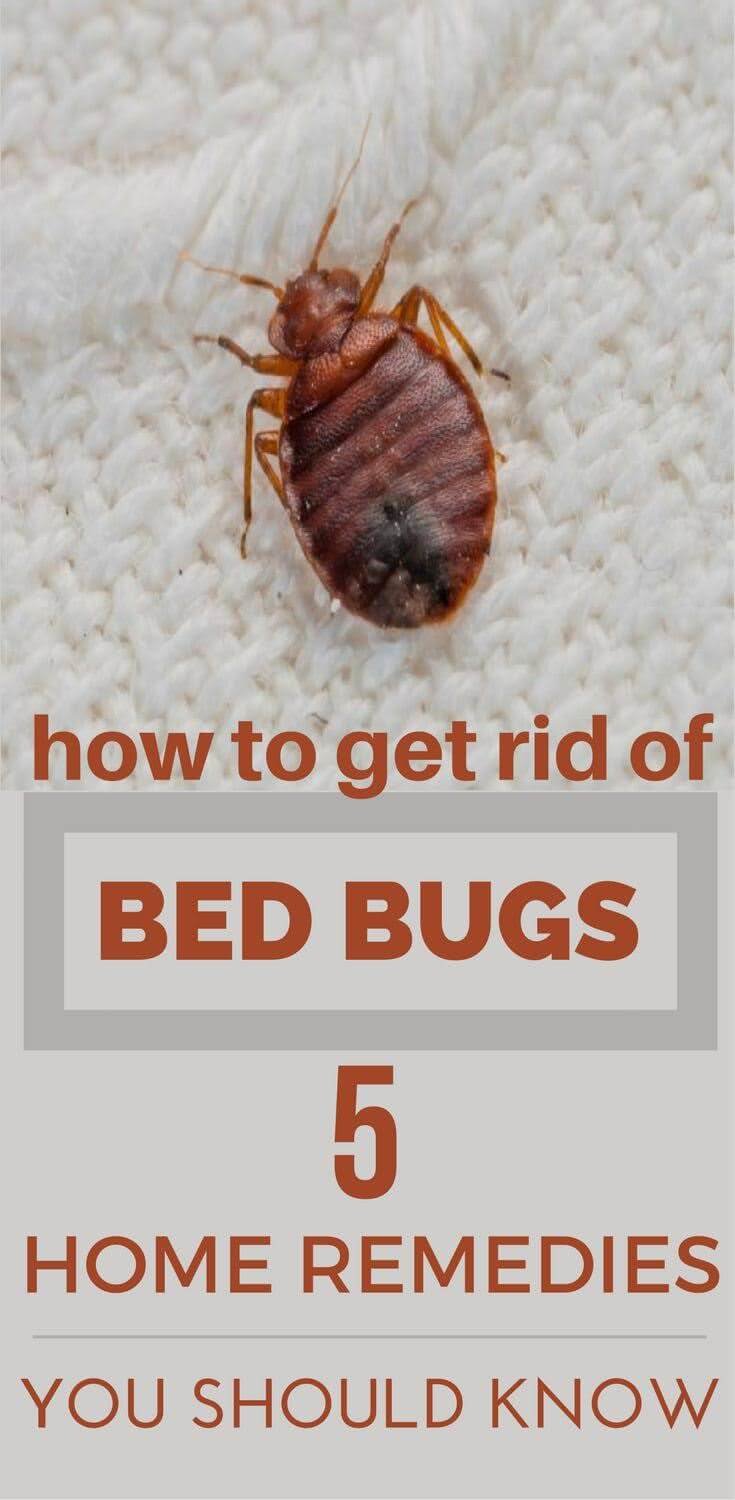
Signs Of Bed Bug Infestation
Can you get rid of bed bugs with vinegar? Maybe. But first, you need to know if you have bed bugs. Understanding the signs of bed bug infestation is crucial. Spotting these signs early can help you act quickly. Let’s explore the physical signs and behavioral indicators of bed bugs.
Physical Signs
Bed bugs leave behind several physical signs. These signs are often the first clues of an infestation. Look for the following:
- Red, Itchy Bites: These bites often appear in clusters or lines. They can be very itchy and may cause discomfort.
- Blood Stains: You might find small, rusty-colored stains on your bed sheets or pillowcases. These stains are from crushed bed bugs.
- Fecal Spots: Bed bugs leave behind dark spots. These spots are their excrement and can be found on mattresses, bedding, and walls.
- Eggs and Shells: Bed bugs lay tiny, white eggs. You might also find shed skins, as bed bugs shed their shells as they grow.
Here’s a quick reference table for these signs:
| Sign | Description | Where to Look |
| Red, Itchy Bites | Clusters or lines of bites, very itchy | On skin, often on arms and legs |
| Blood Stains | Small, rusty-colored stains | Bed sheets, pillowcases |
| Fecal Spots | Dark spots, bed bug excrement | Mattresses, bedding, walls |
| Eggs and Shells | Tiny white eggs, shed skins | Mattresses, furniture crevices |
Behavioral Indicators
Besides physical signs, bed bugs exhibit certain behaviors. These behaviors can help you identify an infestation.
- Nocturnal Activity: Bed bugs are most active at night. They come out to feed when you are asleep.
- Hiding Spots: They hide in small crevices. Look in mattress seams, bed frames, headboards, and even behind wallpaper.
- Musty Odor: Infestations often produce a sweet, musty smell. This odor comes from the bed bugs’ scent glands.
- Increased Bites Over Time: If you notice more bites over time, it could indicate a growing infestation.
Here’s a summary of these behavioral indicators:
| Behavior | Description | Signs |
| Nocturnal Activity | Most active at night | Bites appear after sleep |
| Hiding Spots | Hide in small crevices | Check mattress seams, bed frames |
| Musty Odor | Sweet, musty smell | Noticeable near infested areas |
| Increased Bites Over Time | More bites as infestation grows | More red, itchy bites |
Being aware of these signs and behaviors can help you detect bed bugs early. Early detection is key to effective treatment. Stay vigilant and inspect your sleeping areas regularly.
To Get The Best Bed Accessories – Visit Our Shop
Professional Extermination
Trying to get rid of bed bugs with vinegar can be a daunting task. While vinegar may help in some cases, it often does not provide a complete solution. For a thorough and lasting result, professional extermination is often necessary. Professionals use advanced methods and treatments to ensure that bed bugs are completely eradicated from your home.
When To Call Experts
There are specific signs indicating that you need to call experts for bed bug extermination:
- Visible Infestation: If you see bed bugs on your mattress, furniture, or walls, it’s time to call professionals.
- Bite Marks: Small red bites on your skin that itch and appear in a line or cluster are a sign of bed bugs.
- Blood Stains and Droppings: Tiny blood stains on your sheets or dark spots of bed bug excrement are clear indicators.
- Musty Odor: A strong, musty odor in your room can be a sign of a severe bed bug infestation.
Professional extermination is also recommended if:
- You have tried DIY methods but the problem persists.
- The infestation is in multiple rooms or has spread to other parts of your home.
- You have young children, pets, or individuals with allergies in your household.
Types Of Treatments
Professional exterminators use various methods to eliminate bed bugs effectively:
| Treatment Type | Description | Effectiveness |
| Heat Treatment | Heat the infested area to a temperature lethal for bed bugs. | High – Kills all stages of bed bugs. |
| Chemical Treatment | Use of insecticides to eliminate bed bugs. | Medium to High – Requires follow-up treatments. |
| Steam Treatment | High-temperature steam to kill bed bugs on contact. | Medium – Effective for surface areas. |
| Freezing Treatment | Use of extreme cold to kill bed bugs. | Medium – Effective but less common. |
| Integrated Pest Management (IPM) | Combines multiple methods for a comprehensive approach. | High – Best long-term results. |
Each treatment has its pros and cons. A professional can help you choose the best method for your situation. The goal is to ensure the bed bugs are gone for good.
Myths About Bed Bugs
Bed bugs are a common household problem. Many people turn to various methods to get rid of them. One popular belief is that vinegar can kill bed bugs. But, there are many myths about bed bugs that need to be cleared up.
Home Remedies
Many believe that home remedies can effectively eliminate bed bugs. Vinegar is often mentioned as a solution. While vinegar can kill bed bugs on contact, it does not eliminate an infestation. Here are some common home remedies and their effectiveness:
- Vinegar: Effective on contact but does not kill eggs or solve the infestation.
- Baking Soda: Believed to dry out bed bugs, but there is no scientific proof.
- Essential Oils: Oils like tea tree and lavender may repel bed bugs but are not reliable for extermination.
These remedies might provide temporary relief. They do not address the root of the problem. Bed bugs hide in tiny cracks and crevices. They lay eggs that home remedies cannot reach. It is essential to understand the limitations of these methods.
| Home Remedy | Effectiveness |
| Vinegar | Effective on contact, not on eggs |
| Baking Soda | No scientific proof |
| Essential Oils | May repel, not eliminate |
For a lasting solution, professional pest control is recommended. Home remedies can be part of a larger strategy but should not be relied upon solely.
Hygiene Misconceptions
Many believe that bed bugs only infest dirty homes. This is a myth. Bed bugs do not discriminate. They can be found in clean and dirty homes alike. Their primary concern is access to human blood.
Here are some common hygiene misconceptions:
- Only dirty homes get bed bugs: Bed bugs can infest any home, regardless of cleanliness.
- Good hygiene keeps bed bugs away: While good hygiene can help, it does not prevent infestations.
- Bed bugs are a sign of poor housekeeping: Bed bugs can hitch a ride on luggage, clothing, or used furniture.
Bed bugs are excellent hitchhikers. They can spread through public spaces, hotels, and public transport. Keeping a clean home helps, but it is not a guaranteed way to prevent bed bugs.
Understanding these myths is crucial. It helps in taking the right steps to manage and eliminate bed bugs. Relying on myths can lead to ineffective treatments and prolonged infestations. Always consider professional advice for dealing with bed bugs.
Long-term Solutions
Bed bugs are small, but their impact can be huge. Many people turn to natural solutions like vinegar to get rid of these pests. But how effective is vinegar in the long run? Long-term solutions are essential for ensuring that bed bugs do not return. Let’s explore how integrated pest management and ongoing prevention strategies can help you keep your home bed bug-free.
Integrated Pest Management
Integrated Pest Management (IPM) is a comprehensive approach to controlling pests. It’s not just about killing the bugs you see. It involves a combination of techniques to manage pests effectively and sustainably. Here’s how you can implement IPM for bed bugs:
- Inspection: Regularly inspect your home for signs of bed bugs. Look for small blood stains on sheets, tiny black spots (feces), and shed skins.
- Identification: Correctly identify the pest to ensure you’re dealing with bed bugs. This avoids wasting time and resources on the wrong treatment.
- Exclusion: Seal cracks and crevices where bed bugs might enter. Use mattress encasements to keep them from infesting your bed.
- Sanitation: Keep your home clean. Vacuum regularly and wash bedding in hot water. Reduce clutter to eliminate hiding spots.
- Treatment: Use a combination of treatments. Vinegar can kill bed bugs on contact, but it’s most effective as part of a broader strategy. Consider using heat treatments, diatomaceous earth, or professional pest control services.
IPM is effective because it uses multiple methods. This reduces the chance of bed bugs developing resistance. By combining inspection, exclusion, sanitation, and treatment, you create an environment where bed bugs cannot thrive.
Ongoing Prevention Strategies
Once you’ve dealt with an infestation, the next step is to prevent bed bugs from coming back. Ongoing prevention strategies are crucial for maintaining a bed bug-free home. Here are some tips to keep in mind:
- Regular Inspections: Continue to inspect your home regularly. Pay extra attention to bedrooms and living areas. Early detection is key to preventing a full-blown infestation.
- Travel Precautions: Bed bugs often hitch a ride on luggage. When traveling, inspect hotel rooms and keep your luggage off the floor. When you return home, unpack and wash your clothes immediately.
- Seal Entry Points: Bed bugs can enter through cracks and crevices. Regularly check and seal any potential entry points in your home.
- Reduce Clutter: Clutter provides hiding spots for bed bugs. Keep your living space tidy and clutter-free to make your home less inviting to pests.
- Use Protective Covers: Encase mattresses and pillows in protective covers. These covers prevent bed bugs from nesting in your bedding.
Maintaining a clean and organized home is essential. It not only makes your living space more pleasant but also reduces the risk of a bed bug infestation. Regular vigilance is the best defense against bed bugs. Combine these strategies with IPM to keep your home safe and comfortable.
To Get The Best Bed Accessories – Visit Our Shop
Frequently Asked Questions
Can Vinegar Kill Bed Bugs Effectively?
Vinegar can kill bed bugs on contact. But it doesn’t eliminate eggs.
How To Use Vinegar To Get Rid Of Bed Bugs?
Spray vinegar directly on bed bugs. Focus on seams and crevices.
Is Vinegar Safe For Home Bed Bug Treatment?
Yes, vinegar is safe. But it has a strong smell and may stain.
Can Vinegar Prevent Bed Bugs From Returning?
No, vinegar cannot prevent bed bugs from coming back. Professional treatment is often needed.
Conclusion
Vinegar can help deter bed bugs, but it isn’t a permanent solution. Bed bugs are tough and can hide in tiny spaces. Use vinegar to clean infested areas. Combine it with other treatments for better results. Always consult a pest control expert for severe infestations.
Stay proactive. Clean regularly and check for signs of bed bugs. Protect your home and keep your family safe.

Sebastian D’souza is a leading expert in home and kitchen appliances, dedicated to transforming everyday living with high-quality, stylish, and innovative solutions. As the founder of De Studio Home, our passion for design and functionality, sustainability drives us to curate the best products for modern homes. Our commitment to excellence ensures that every customer enjoys a perfect balance of practicality and elegance in their living spaces.